
Roof Replacement in Long Beach, NY

How long will your roof last with salt eating it from the outside in? Aaron Roofing Corp handles roof replacement in Long Beach with marine-grade materials and hurricane-rated methods — because standard roofing fails on a barrier island.

The Barrier Island Problem — and Why Roof Replacement in Long Beach Is Different

Standard roofing materials were not designed for Long Beach. This barrier island sits fully exposed to salt corrosion, hurricane-force winds, and tidal flooding. Galvanized nails corrode in three years here. After Hurricane Sandy forced new FEMA codes in 2012, every roof replacement in Long Beach must meet elevated wind and flood zone standards. Aaron Roofing Corp builds to barrier island specs — stainless-steel fasteners, sealed-tab shingles, and full-deck underlayment from the west-end bungalows to the boardwalk condominiums.

Roof Replacement in Long Beach — Built for Salt, Wind, and Flood Zones

Our roofing and exterior services for roof replacement in Long Beach use coastal-rated materials as baseline — not upgrades.

Sealed-tab shingles with six-nail hurricane schedules and stainless coil nails — the standard for roof replacement in Long Beach where four-nail patterns fail fast.

Same-day storm tarping for barrier island homes. Our crews pre-stage during watches so response happens in hours, not days.

Hot-air-welded TPO flat roofing with stainless termination bars for Long Beach businesses where salt corrodes standard hardware within two seasons.
Fiber cement siding rated for salt spray — on ocean blocks where vinyl warps in five years and wood rots faster.
Marine-grade aluminum gutters with oversized downspouts sized for barrier island rainfall intensity.
Laminated impact glass in salt-resistant frames for homes where standard vinyl corrodes and ordinary glass fails.

Waiting Costs More Than Calling

Every storm season on a compromised barrier island roof risks interior damage that doubles your cost. Roof replacement in Long Beach starts with a free 30-minute inspection. Call to find out where you stand.

Four Stages of Roof Replacement in Long Beach

Mainland contractors follow a six-step general process. Roof replacement in Long Beach compresses into four focused stages because barrier island projects demand specialized planning that standard sequences do not cover. Our general approach is detailed on our step-by-step page.

We evaluate every component for ocean-specific deterioration — not just visible shingle wear, but corroded fasteners beneath the surface, compromised flashings hidden under cap shingles, and decking softened by persistent tidal humidity. Simultaneously, we confirm your FEMA flood zone classification and document the wind load — critical data for any roof replacement in Long Beach and uplift resistance your new system must meet for code compliance and insurance eligibility.
Your proposal specifies exact products by name and rating: stainless-steel ring-shank nails, not galvanized; 150 mph-rated sealed-tab shingles, not standard architectural; full-deck ice-and-water shield, not eave-strips. Each line item shows the coastal-grade component and its purpose so you understand precisely what you are paying for and why barrier island specifications differ from mainland pricing.
Materials arrive pre-staged around Long Beach bridge access schedules. Dumpsters are positioned for narrow barrier island streets before the crew arrives. Installation follows hurricane nailing protocols across every square foot — six nails per shingle, factory adhesive activation verified, and stainless flashing at every penetration, valley, and transition. No galvanized metal touches your roof during any roof replacement in Long Beach we perform.
We walk the completed roof with you, photograph all FEMA-compliant attachment points, and deliver a documentation packet containing manufacturer warranty registration, our workmanship guarantee, and a compliance summary your flood insurance carrier can reference. Your barrier island home is storm-ready and fully documented.

What Happens When Mainland Contractors Roof a Barrier Island

Most roofing failures on Long Beach trace back to inland methods applied to an oceanfront environment. Roof replacement in Long Beach requires these six things — and why our clients chose us after learning the hard way.

Galvanized Nails Fail Here

Stainless-steel ring-shank nails on every roof replacement in Long Beach — galvanized corrodes in three to five years of salt exposure.

Eave-Only Shield Is Inadequate

Full-deck ice-and-water shield standard — barrier island wind drives rain from every direction, not just at the eaves.

Four-Nail Patterns Blow Off

Six-nail hurricane schedules with sealed tabs meet the 150 mph this island faces. Four-nail standard does not.

FEMA Codes Changed After Sandy

We verify your zone and build to post-2012 uplift requirements — protecting your home and insurance eligibility.

Island Logistics Are Not Optional

Bridge access, narrow streets, staging — we pre-solve before materials arrive.

Storm Response Needs Proximity

Long Beach clients get priority tarping within hours — barrier island homes cannot wait.

Roof Replacement in Long Beach — Recent Barrier Island Projects
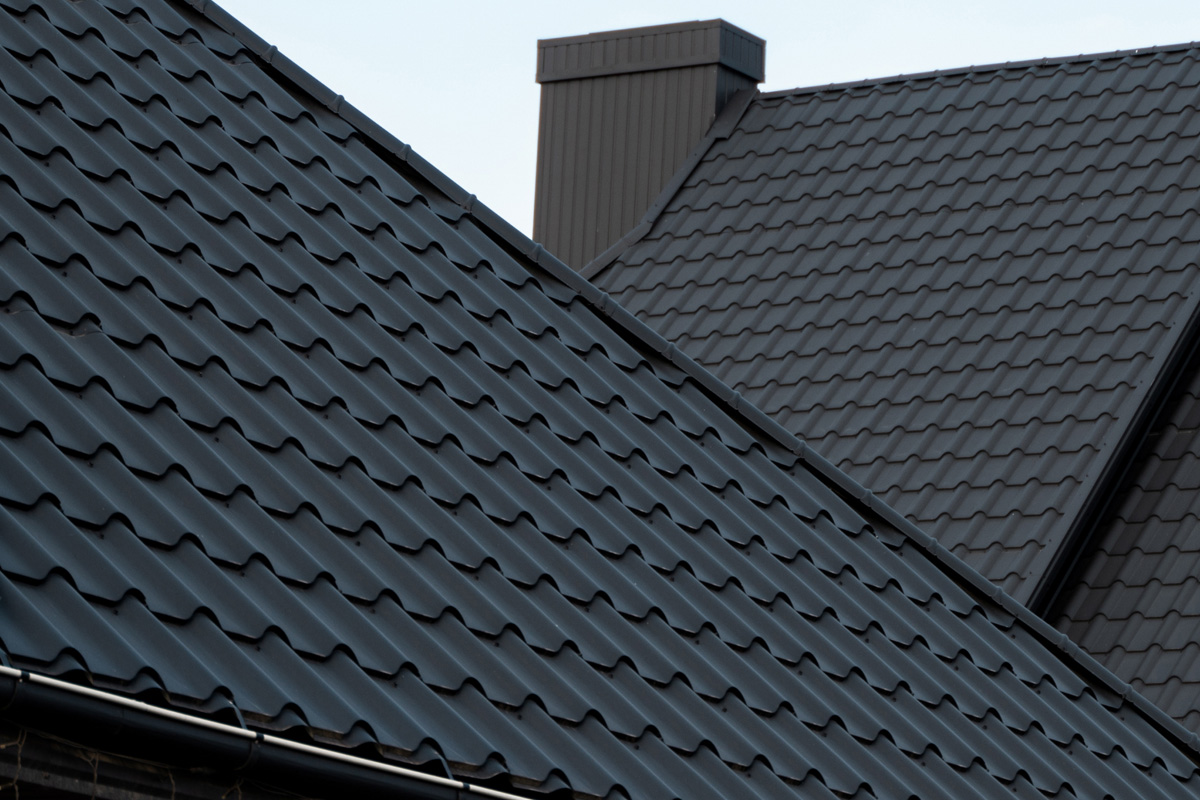
Close-up of roofing intersecting dark charcoal metal tile rooflines with a corrugated wave profile, a matching metal chimney cap, and a metal gutter visible along the eave under an overcast sky in Long Island.

Corroded Fasteners Found During Inspection
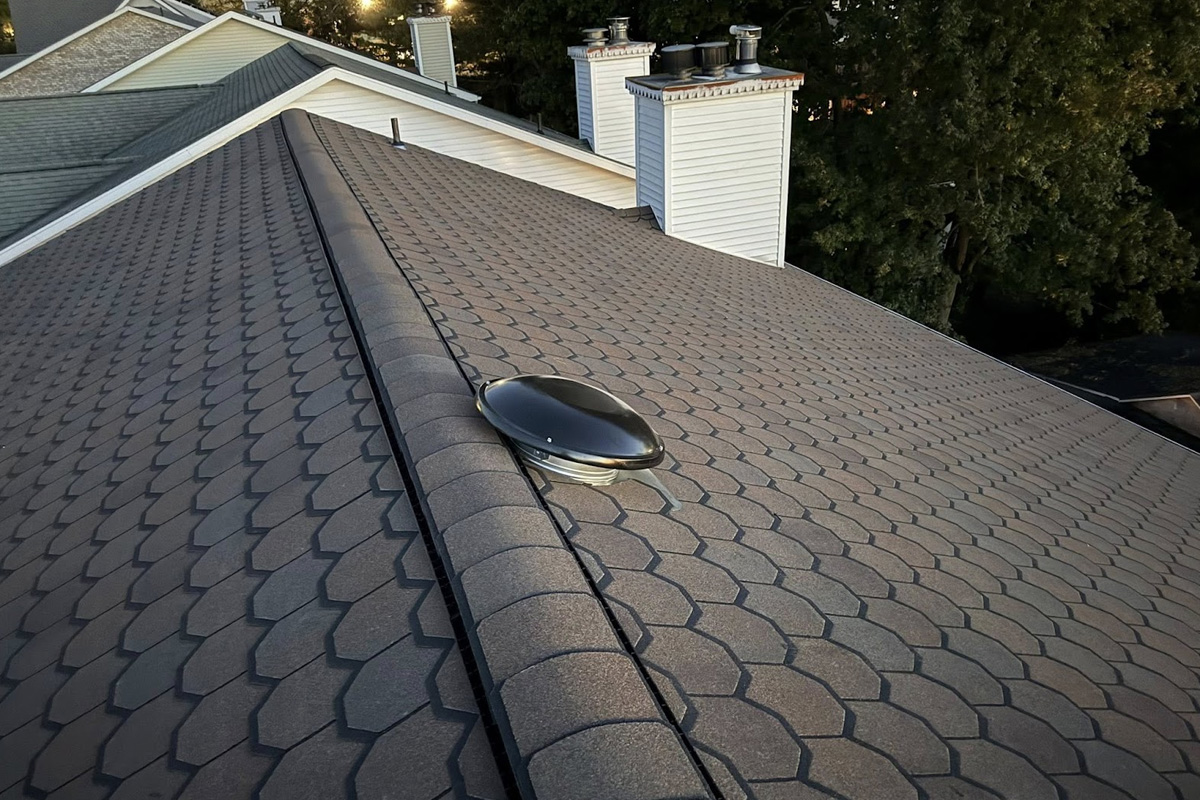
A west-end homeowner called about a ceiling stain. Inspection revealed every galvanized nail on the south slope had corroded to half thickness. We completed roof replacement in Long Beach with stainless fasteners, full-deck shield, and GAF UHDZ impact-rated shingles.
Shot displays brown scalloped shingles with a black solar attic fan. The ridge cap runs parallel to white chimneys and green trees, creating a clean, modern residential roofing profile in Long Island.

Nor'easter Tore 400 Sq Ft Off Shore Road

Four-nail attachment failed against 85 mph gusts. We tarped within four hours and finished a full reroof in five days using six-nail hurricane patterns — this homeowner’s second roof in eight years, but the first one built for the island.
Aerial view of a newly installed gray architectural shingle roofing on a residential home with a wood deck, white French doors, wall-mounted lights, and mature trees visible in the background in Long Island.

Boardwalk Restaurant Lost a Season to Leaks

Galvanized edge terminations corroded through in six years. We replaced the flat roof with 80-mil PVC, stainless termination bars, and welded seams — zero leak complaints since and lower cooling costs.

Roof Replacement in Long Beach — A Homeowner Who Learned the Hard Way

"Our first roofer used standard materials. Five years later, every nail was corroded and shingles were lifting in moderate wind. Aaron Roofing Corp replaced everything with stainless hardware and hurricane-rated shingles. Two major storms since — zero damage, zero leaks."
Paul & Denise C.

Long Beach Roof Replacement — What Barrier Island Homeowners Ask

These are not the same questions inland homeowners ask. Roof replacement in Long Beach involves salt corrosion, FEMA compliance, and material choices that most roofing contractors never encounter.

Salt crystallization inside granules, constant UV without tree shade, and winds exceeding 70 mph during nor’easters. Standard materials rated 20-25 years inland deteriorate within 10-12 on Long Beach. Roof replacement in Long Beach requires marine-rated materials and methods.

Post-Sandy codes require specific wind uplift ratings and structural attachment standards for barrier island properties. Your flood zone classification determines which apply. Non-compliant installations can void flood insurance — a risk no Long Beach homeowner should take.

Typically 25-40% more than central Nassau County. Stainless fasteners cost triple galvanized. Full-deck underlayment adds material and labor. Six-nail patterns take longer. Most roof replacement in Long Beach runs $12,000 to $32,000 depending on size.

No. Galvanized coating breaks down in constant salt air within three to five years. Stainless-steel ring-shank nails are the only fastener that maintains holding power through a barrier island roof’s full service life.

Annual professional inspection minimum, plus after every significant storm. Salt corrosion and lifted adhesive tabs are invisible from ground level but cause progressive failure if left unaddressed on Long Beach properties.

Yes. Existing Long Beach clients receive priority storm response. We pre-stage materials and monitor forecasts so our crews deploy tarps within hours — before secondary water intrusion multiplies repair costs.

Mainland Methods Fail on Barrier Islands — Ours Do Not

  • Stainless Steel, Not Galvanized – Every fastener is marine-grade. We saw galvanized failures and stopped using them on barrier island jobs.
  • Full Deck, Not Eave Strips – Shield on your entire deck — barrier island wind drives rain horizontally.
  • Six Nails, Not Four – Hurricane schedules with sealed tabs rated for the wind speeds Long Beach actually faces.
  • FEMA-Verified, Not Assumed – Flood zone confirmed, attachment points documented, compliance packet for your insurer.
  • Island-Staged, Not Scrambled – Materials and dumpsters coordinated around bridge schedules before day one.
Get a Barrier Island Roof Assessment — Free, No Obligation

Call Aaron Roofing Corp at +1 516-343-0382 or visit our contact page to schedule your free roof inspection in Long Beach today.

Learn More About Long Beach, NY

Planning a roofing project in Long Beach? Explore these local resources:
Scroll to Top