Roof Replacement in Long Beach, NY
The Barrier Island Problem — and Why Roof Replacement in Long Beach Is Different
Standard roofing materials were not designed for Long Beach. This barrier island sits fully exposed to salt corrosion, hurricane-force winds, and tidal flooding. Galvanized nails corrode in three years here. After Hurricane Sandy forced new FEMA codes in 2012, every roof replacement in Long Beach must meet elevated wind and flood zone standards. Aaron Roofing Corp builds to barrier island specs — stainless-steel fasteners, sealed-tab shingles, and full-deck underlayment from the west-end bungalows to the boardwalk condominiums.
Roof Replacement in Long Beach — Built for Salt, Wind, and Flood Zones
Our roofing and exterior services for roof replacement in Long Beach use coastal-rated materials as baseline — not upgrades.
Same-day storm tarping for barrier island homes. Our crews pre-stage during watches so response happens in hours, not days.
Waiting Costs More Than Calling
Four Stages of Roof Replacement in Long Beach
Mainland contractors follow a six-step general process. Roof replacement in Long Beach compresses into four focused stages because barrier island projects demand specialized planning that standard sequences do not cover. Our general approach is detailed on our step-by-step page.
What Happens When Mainland Contractors Roof a Barrier Island
Galvanized Nails Fail Here
Stainless-steel ring-shank nails on every roof replacement in Long Beach — galvanized corrodes in three to five years of salt exposure.
Eave-Only Shield Is Inadequate
Full-deck ice-and-water shield standard — barrier island wind drives rain from every direction, not just at the eaves.
Four-Nail Patterns Blow Off
Six-nail hurricane schedules with sealed tabs meet the 150 mph this island faces. Four-nail standard does not.
FEMA Codes Changed After Sandy
We verify your zone and build to post-2012 uplift requirements — protecting your home and insurance eligibility.
Island Logistics Are Not Optional
Bridge access, narrow streets, staging — we pre-solve before materials arrive.
Storm Response Needs Proximity
Long Beach clients get priority tarping within hours — barrier island homes cannot wait.
Roof Replacement in Long Beach — Recent Barrier Island Projects
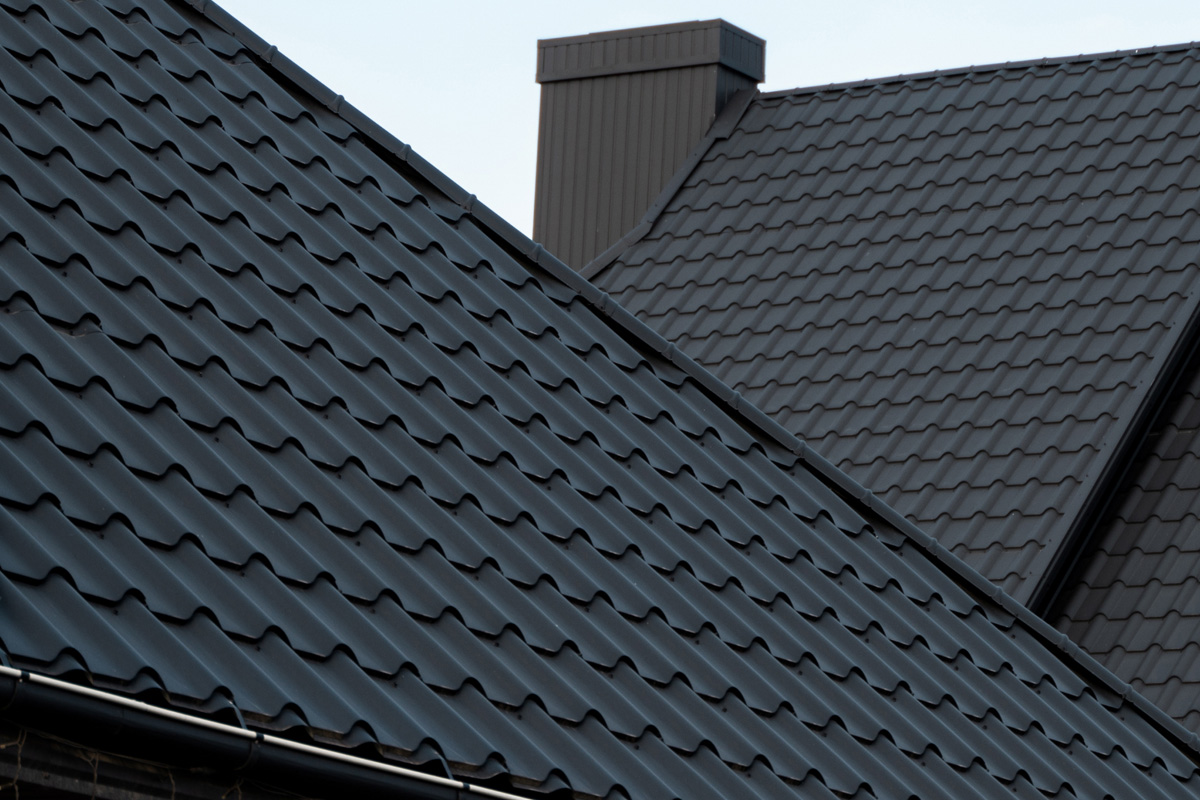
Corroded Fasteners Found During Inspection
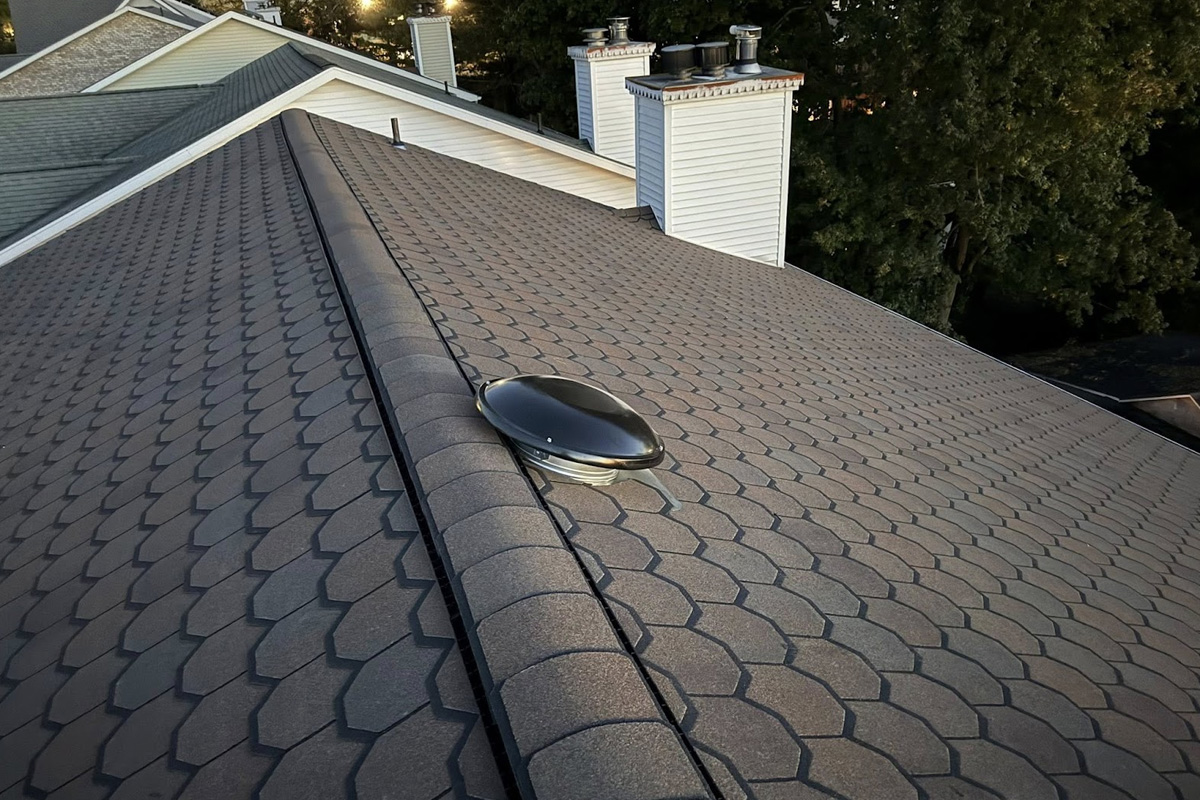
Nor'easter Tore 400 Sq Ft Off Shore Road

Boardwalk Restaurant Lost a Season to Leaks
Roof Replacement in Long Beach — A Homeowner Who Learned the Hard Way
Long Beach Roof Replacement — What Barrier Island Homeowners Ask
Salt crystallization inside granules, constant UV without tree shade, and winds exceeding 70 mph during nor’easters. Standard materials rated 20-25 years inland deteriorate within 10-12 on Long Beach. Roof replacement in Long Beach requires marine-rated materials and methods.
Post-Sandy codes require specific wind uplift ratings and structural attachment standards for barrier island properties. Your flood zone classification determines which apply. Non-compliant installations can void flood insurance — a risk no Long Beach homeowner should take.
Typically 25-40% more than central Nassau County. Stainless fasteners cost triple galvanized. Full-deck underlayment adds material and labor. Six-nail patterns take longer. Most roof replacement in Long Beach runs $12,000 to $32,000 depending on size.
No. Galvanized coating breaks down in constant salt air within three to five years. Stainless-steel ring-shank nails are the only fastener that maintains holding power through a barrier island roof’s full service life.
Annual professional inspection minimum, plus after every significant storm. Salt corrosion and lifted adhesive tabs are invisible from ground level but cause progressive failure if left unaddressed on Long Beach properties.
Yes. Existing Long Beach clients receive priority storm response. We pre-stage materials and monitor forecasts so our crews deploy tarps within hours — before secondary water intrusion multiplies repair costs.
Mainland Methods Fail on Barrier Islands — Ours Do Not
- Stainless Steel, Not Galvanized – Every fastener is marine-grade. We saw galvanized failures and stopped using them on barrier island jobs.
- Full Deck, Not Eave Strips – Shield on your entire deck — barrier island wind drives rain horizontally.
- Six Nails, Not Four – Hurricane schedules with sealed tabs rated for the wind speeds Long Beach actually faces.
- FEMA-Verified, Not Assumed – Flood zone confirmed, attachment points documented, compliance packet for your insurer.
- Island-Staged, Not Scrambled – Materials and dumpsters coordinated around bridge schedules before day one.