


How Roof Repair in Mineola Works on Your Block
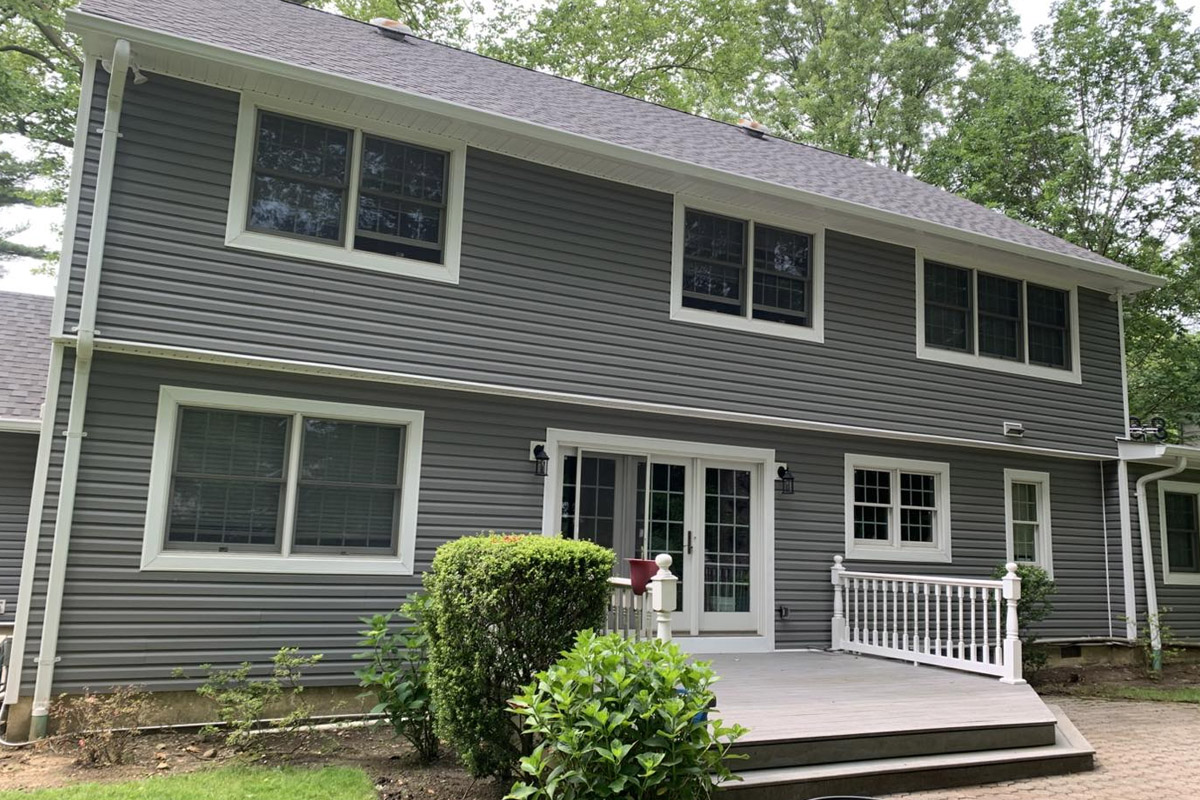
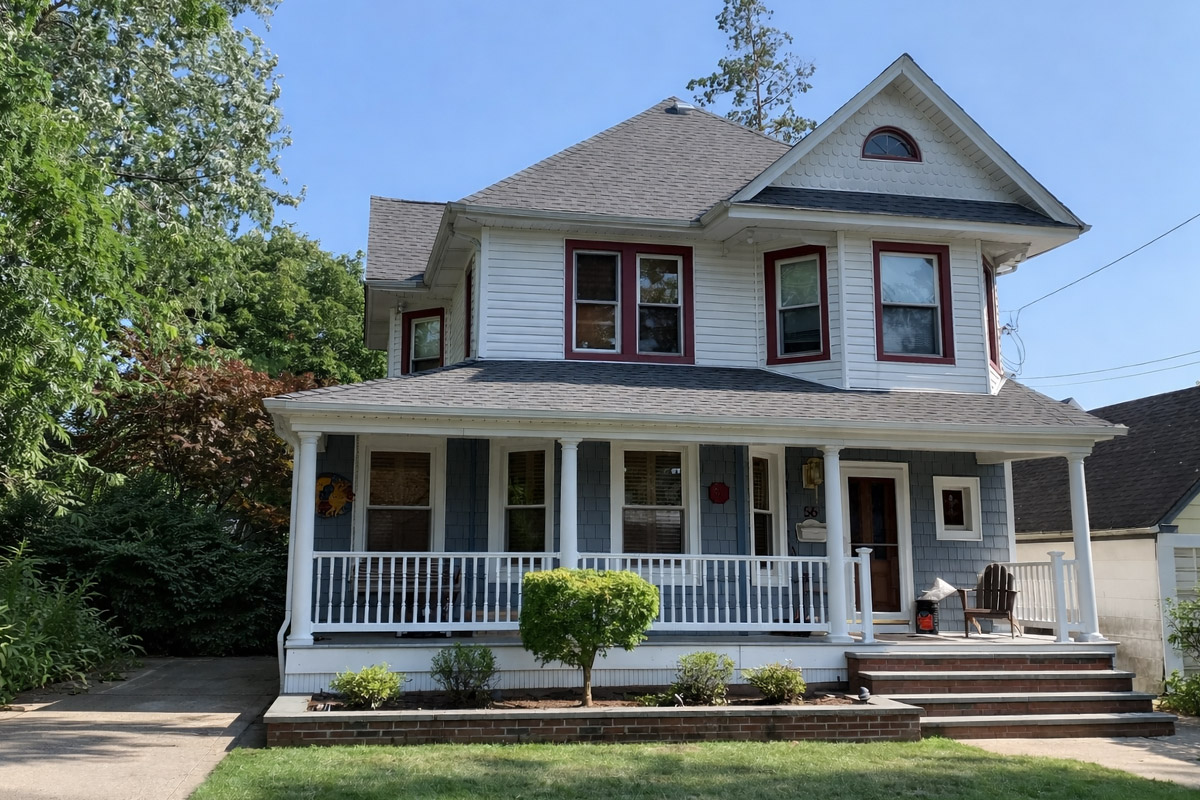
Tree-covered roofs need a different routine than open lots. Debris hides damage, shade keeps shingles damp, and limbs keep falling after the crew leaves if nobody checks them. These seven steps are how a Mineola repair goes from the first call to the final photo set.
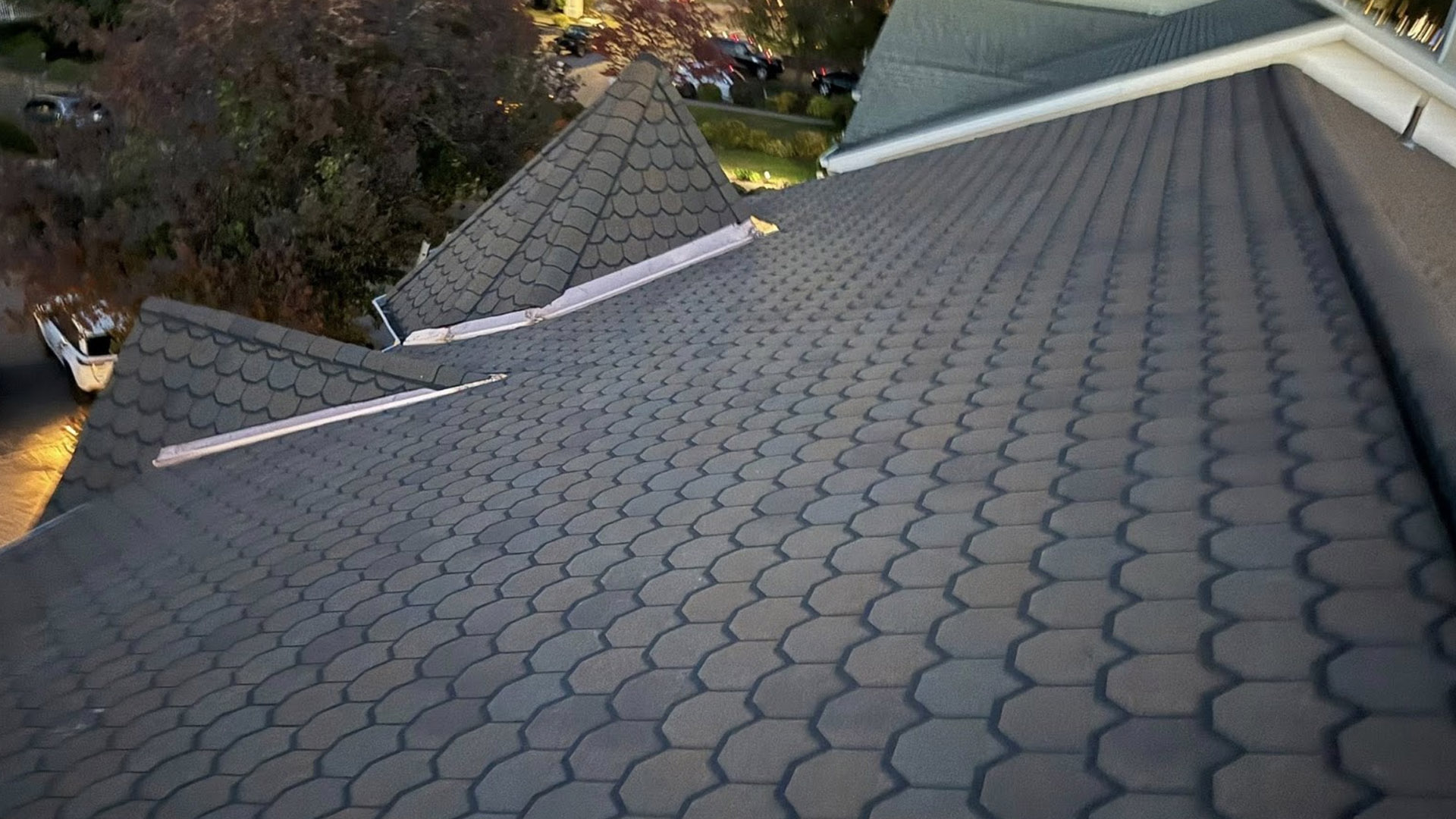
We start by clearing leaves, pods and twigs out of the valleys and gutters. You cannot see a torn valley liner or a rotted edge under a mat of wet oak leaves, so we clean first, inspect second and photo every spot.
Then we look up. Dead or cracked limbs over the roof tell us what might fall next. We point them out so you can call an arborist, and we note where old branch strikes may have bruised shingles you cannot see from the yard.
After that we go into the attic with a light and a moisture meter. Stains on rafters and wet insulation show where water really enters, which is often several feet away from the ceiling spot in a cape's knee wall.
Next, you see the photos. The written estimate lists each item: shingles, flashing, boots, valley metal, decking. You see what is urgent, what can wait, and what a repair costs next to the price of doing nothing.
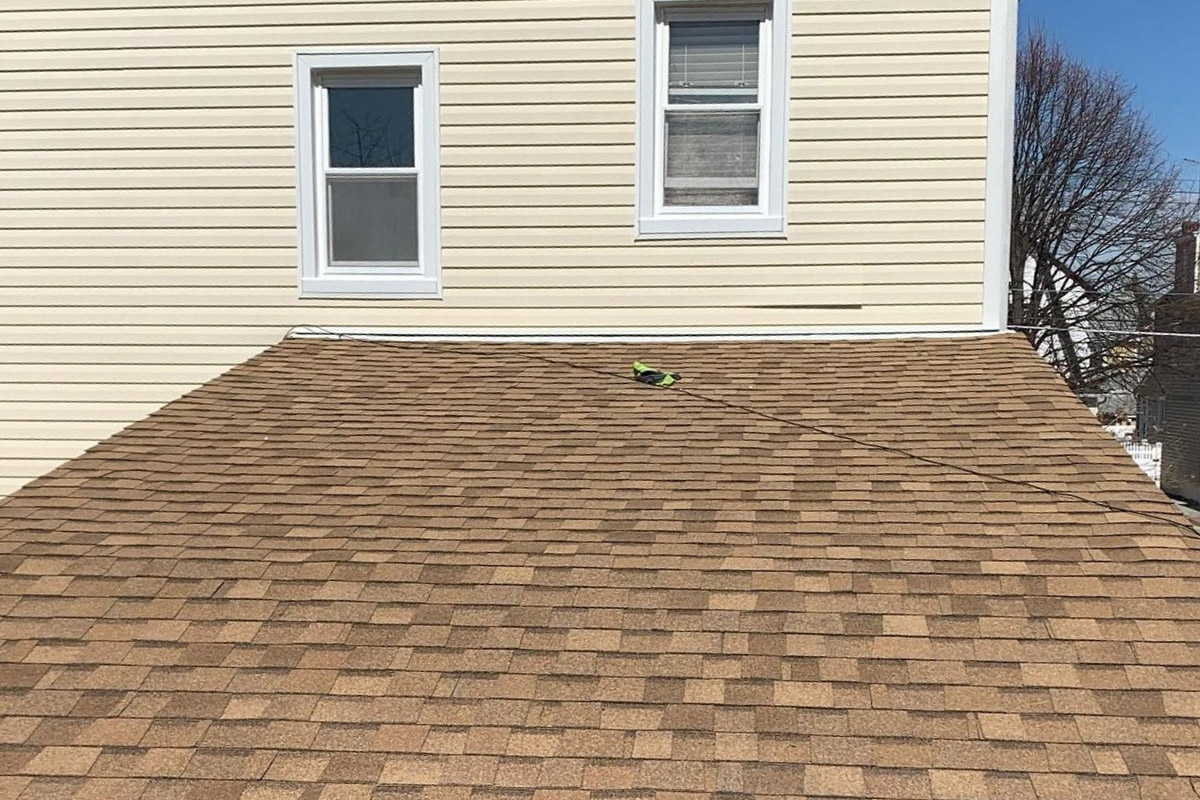
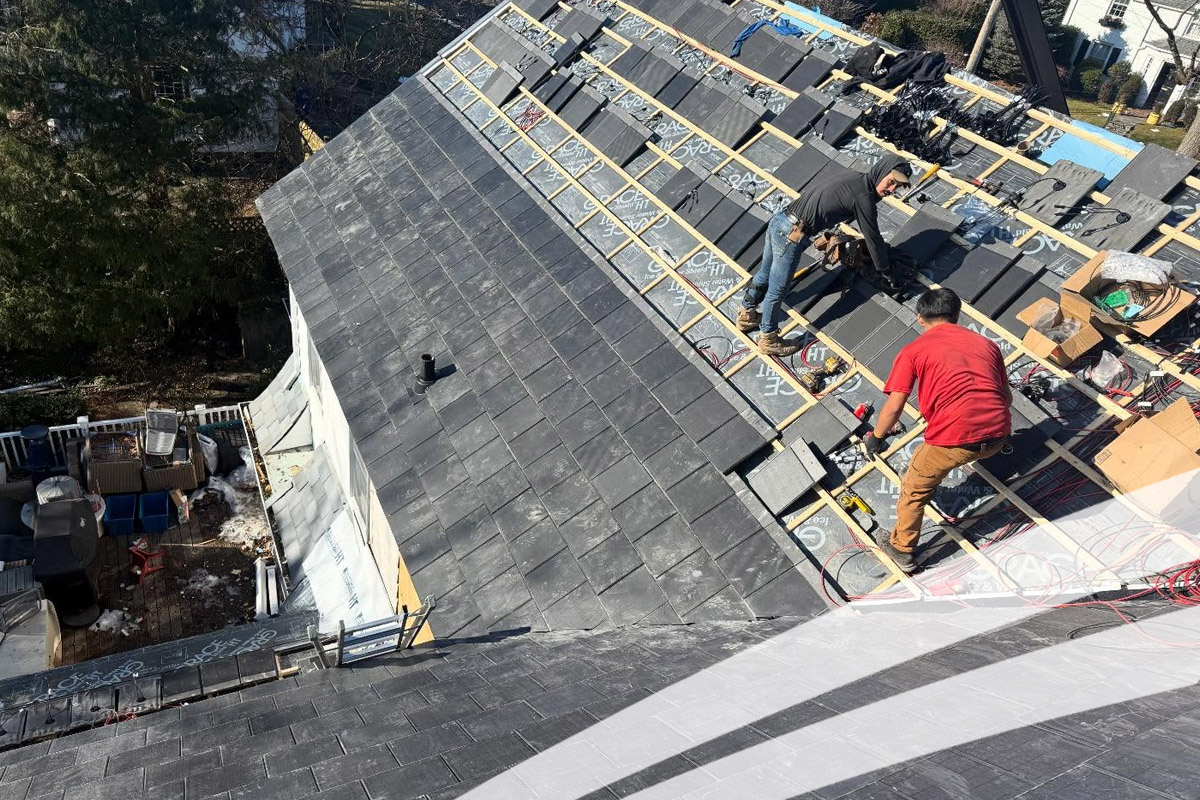
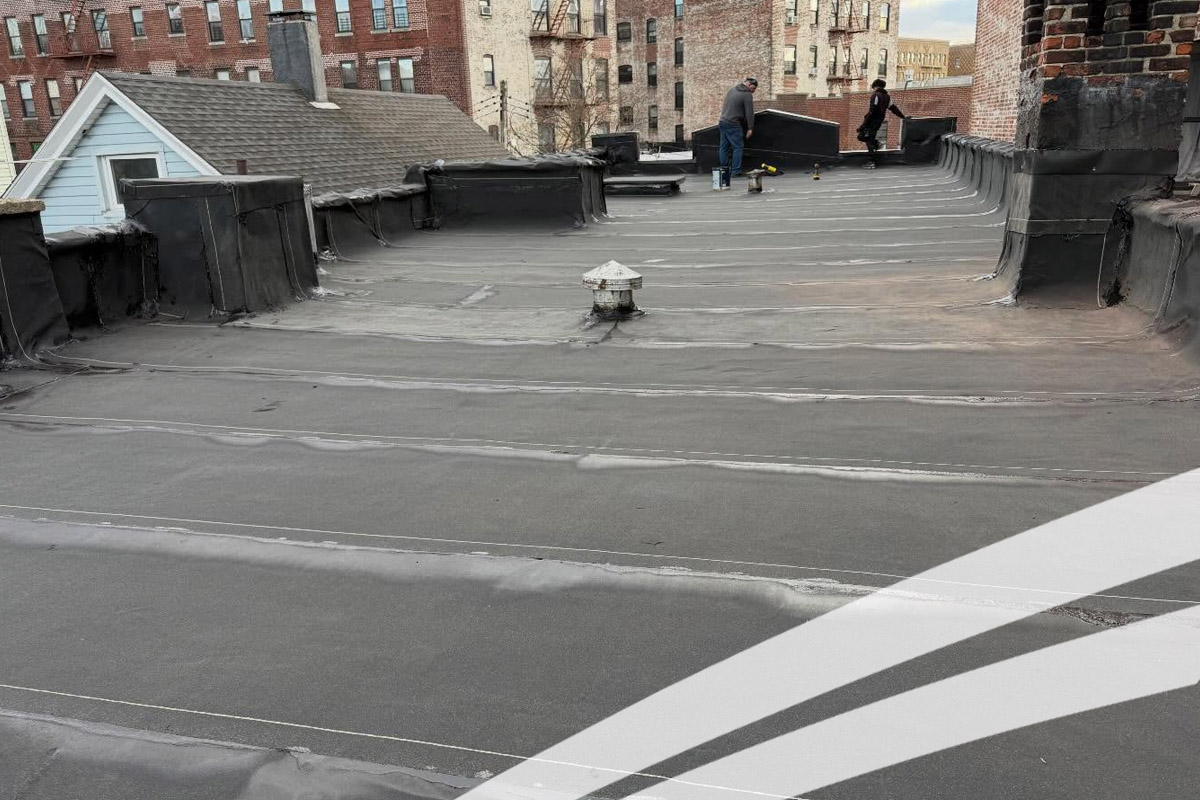
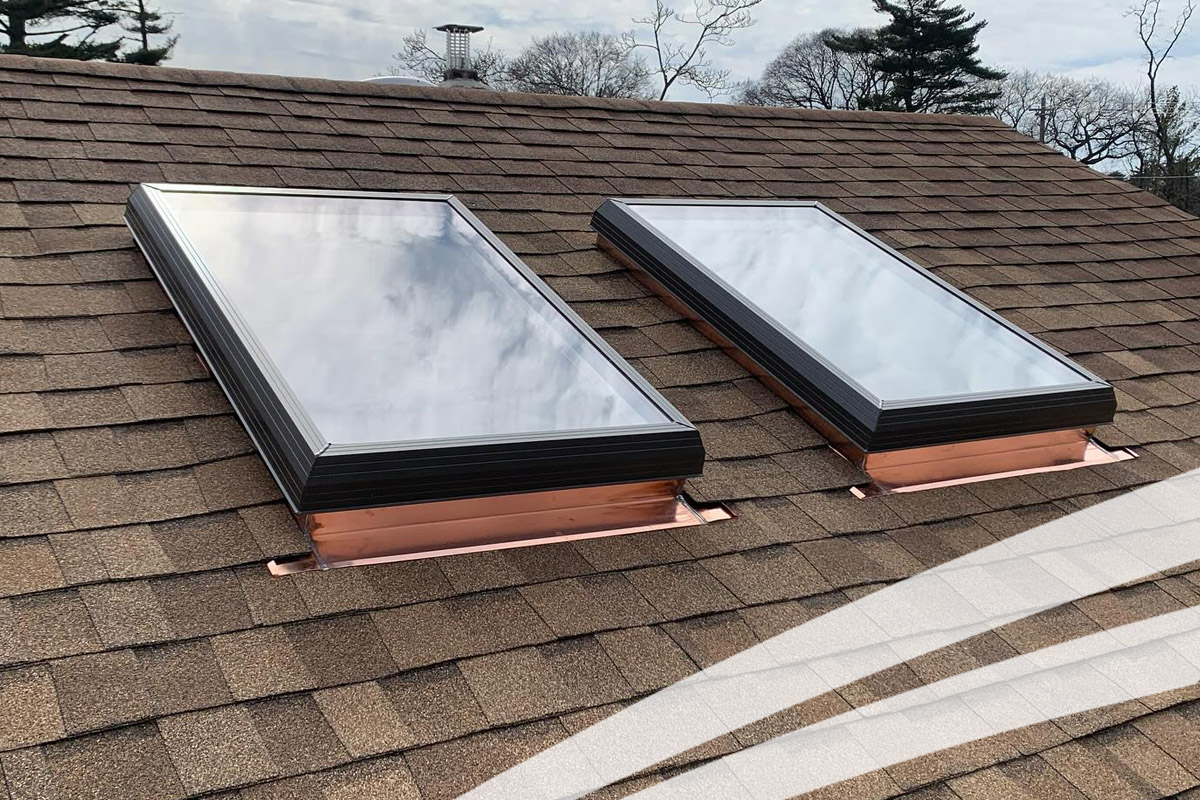
On repair day the crew removes the damaged area down to the deck, swaps any soft plywood, adds ice and water shield in the valley or around the stack, and re-flashes with new metal. Caulk alone is never the fix.
Mineola lots are tight, with driveways close to the neighbors. We tarp beds and shrubs, keep debris out of the next yard and run a magnet over lawns and driveways so no stray nails end up in anyone's tires.
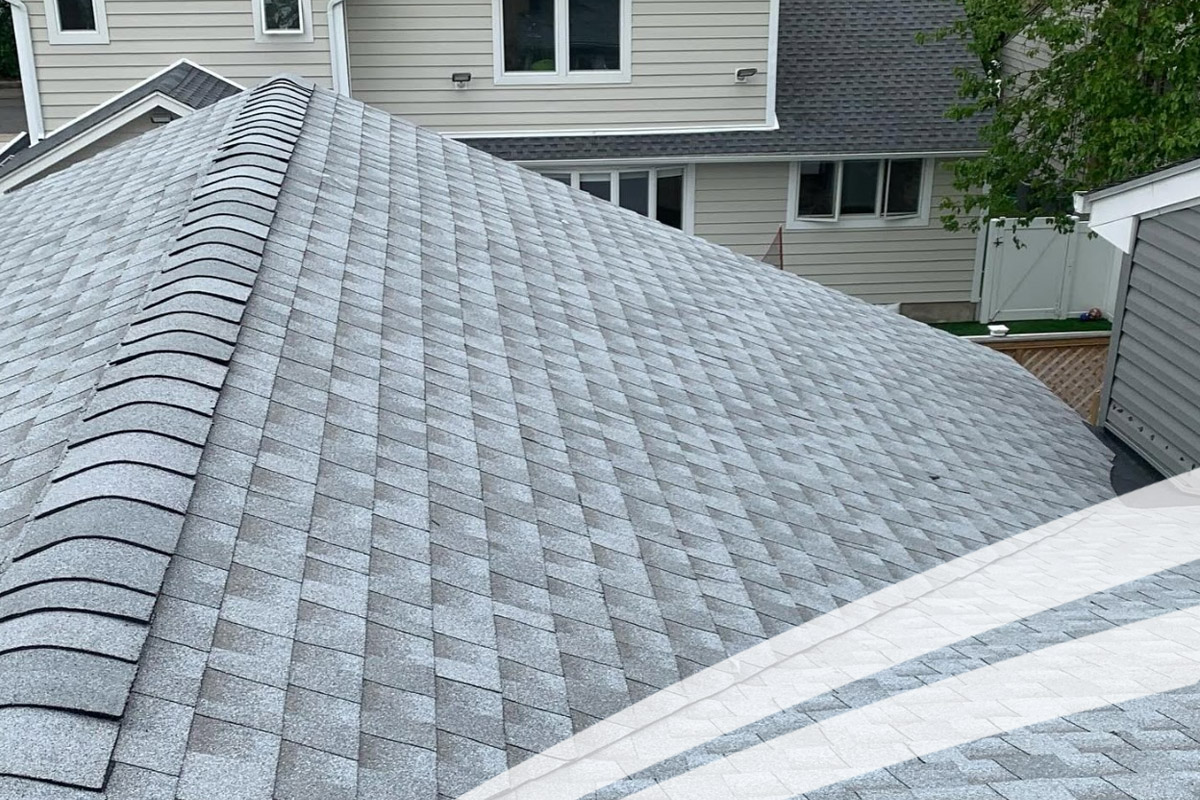
Last, you walk the roof line and yard with us, and you get before and after photos. Keep them as a record for insurance and for the next time a storm sends a limb down onto the roof over your kitchen.