

How Roof Repair in Lynbrook Works, Step by Step
Winter leaks in Lynbrook are tricky because the water travels. It runs along a rafter, drips off a nail and shows up four feet from where it got in. Our process traces that path, fixes the cause and proves the fix. After a nor’easter, storm damage roof repair in Lynbrook follows the same steps, just faster.
We start inside. With a flashlight in the attic, we look for frost on the nail tips, wet insulation, stained rafters and bathroom fan hoses that dump moist air into the space. This tells us if it is a roof leak or a condensation problem.
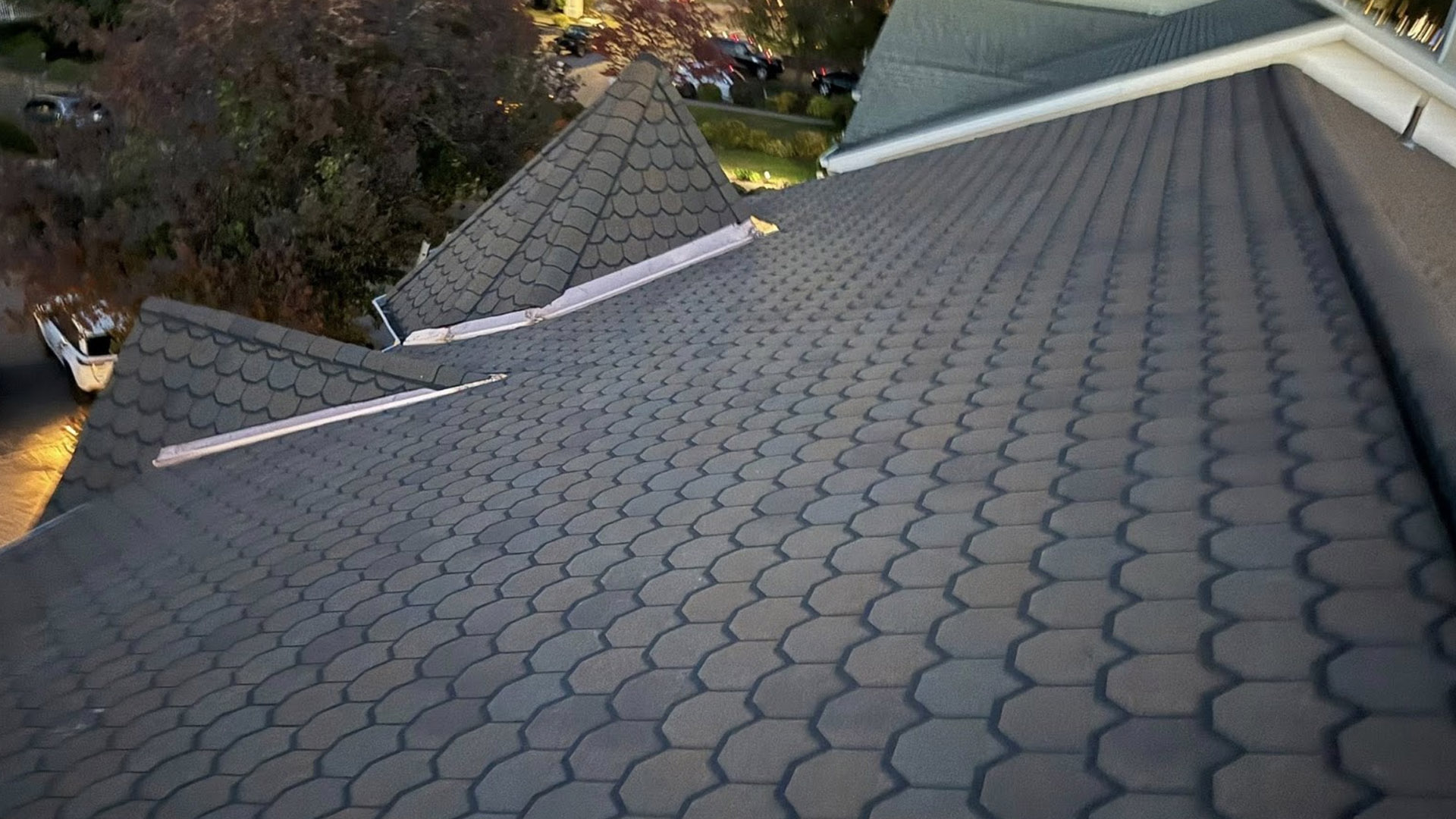
Then we go up and check the first few feet of roof above the gutters. That is where ice dams form on Lynbrook capes. We look for missing ice and water shield, a lifted drip edge and shingles cupped from trapped melt.
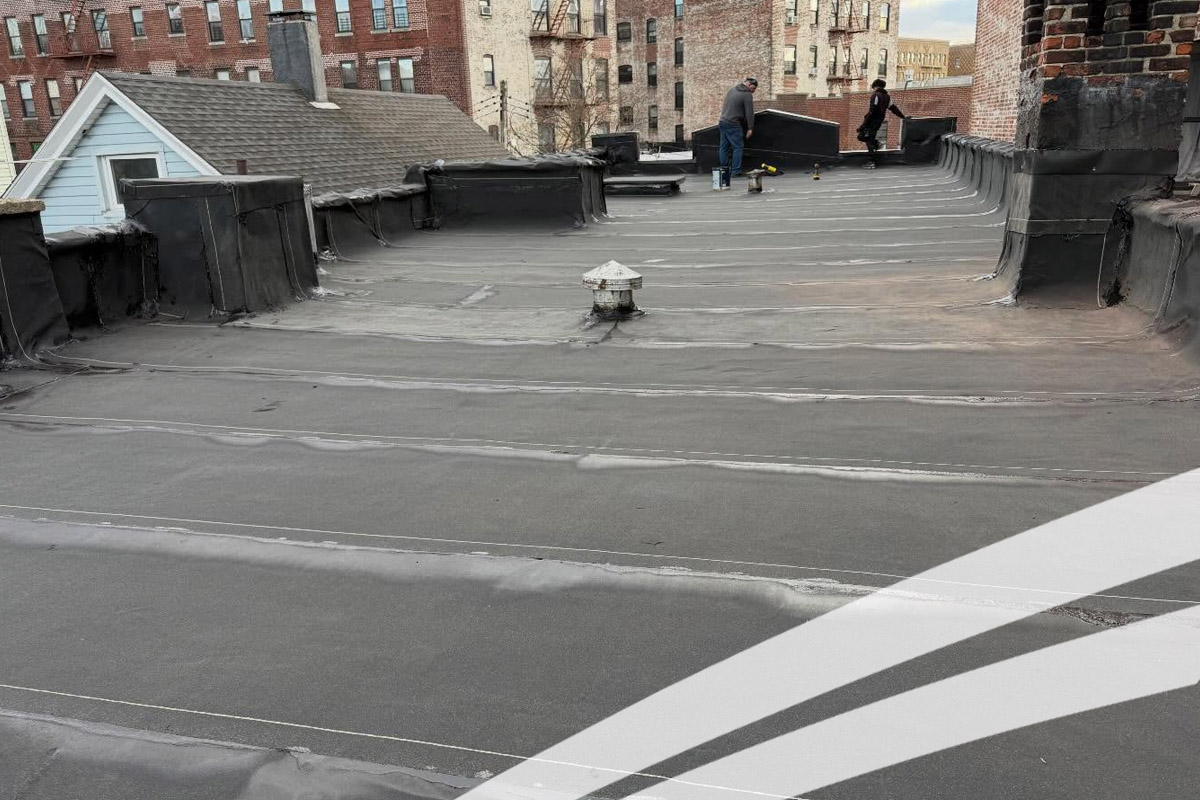
After that we test every dormer. We check step flashing along the cheek walls, the joint where the dormer roof meets the main roof and any low-slope section that holds water. A hose test shows exactly where water gets in.
You get an itemized, written estimate with photos of each problem. If the fix is small, we say so. If the deck is soft and repair no longer makes sense, you see why before there is any talk of a new roof.
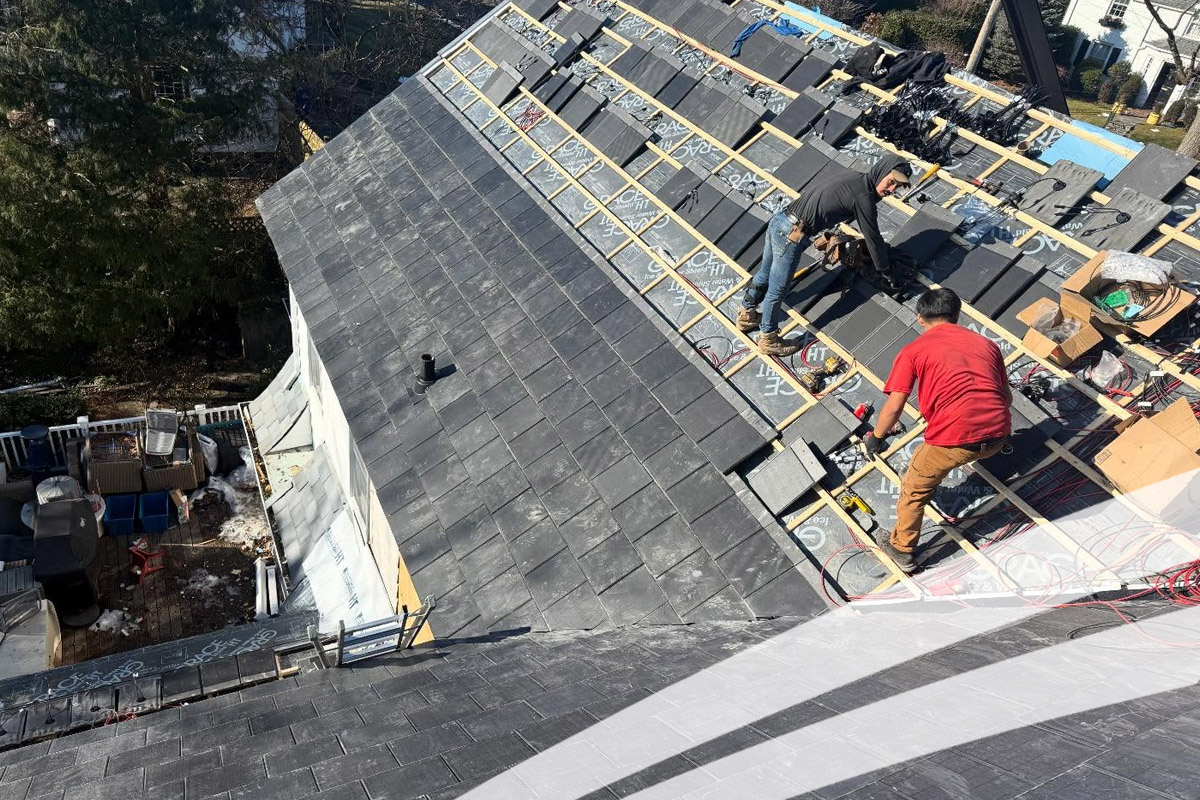
We schedule the work for a dry day above freezing when we can, so sealants and shingle strips bond. Damaged decking is cut out, new ice and water shield goes down and flashing is rebuilt, not caulked over.
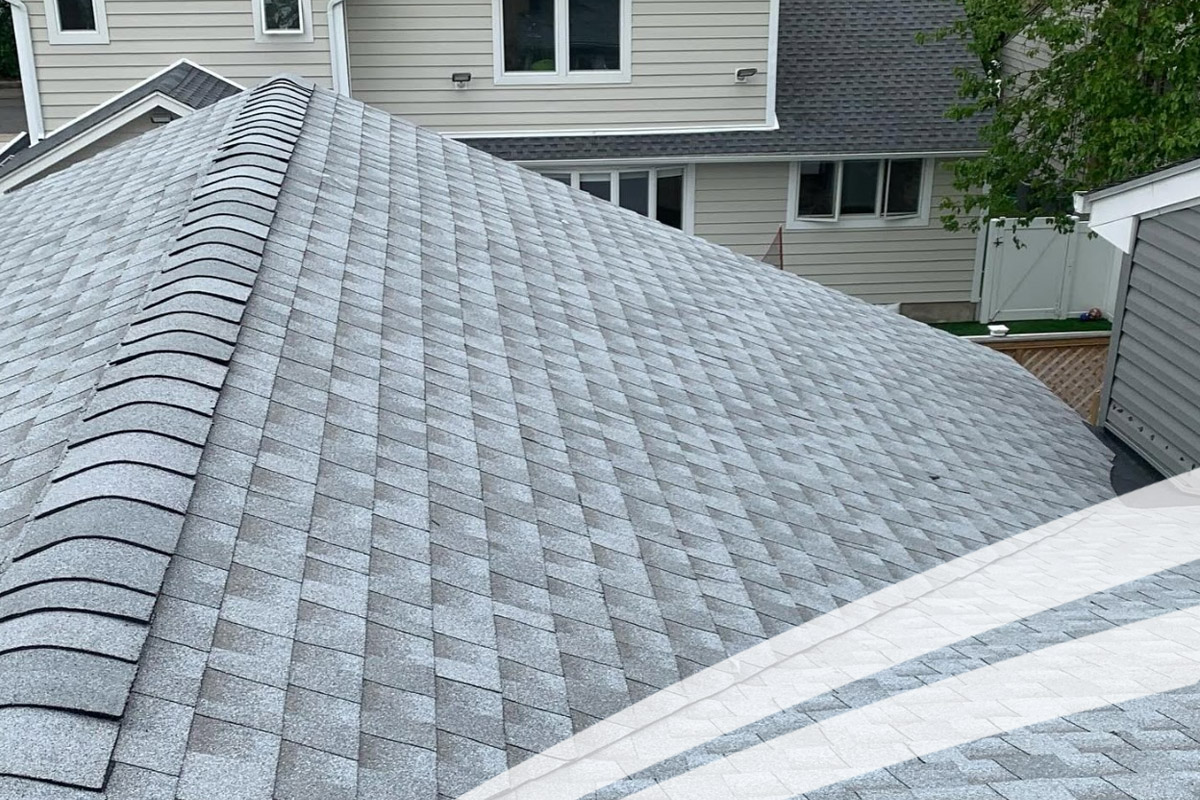
Many leaks come back because the attic stays warm. So we clear blocked soffit vents, add baffles and fit a ridge vent so the roof deck stays cold and snow melts evenly instead of forming ice at the eaves.
Last, we walk you through the job with before and after photos and explain the warranty in writing. After the next heavy snow, we are glad to come back and check the attic with you to confirm it stays dry.