


Five Steps to Roof Repair in Long Beach That Holds
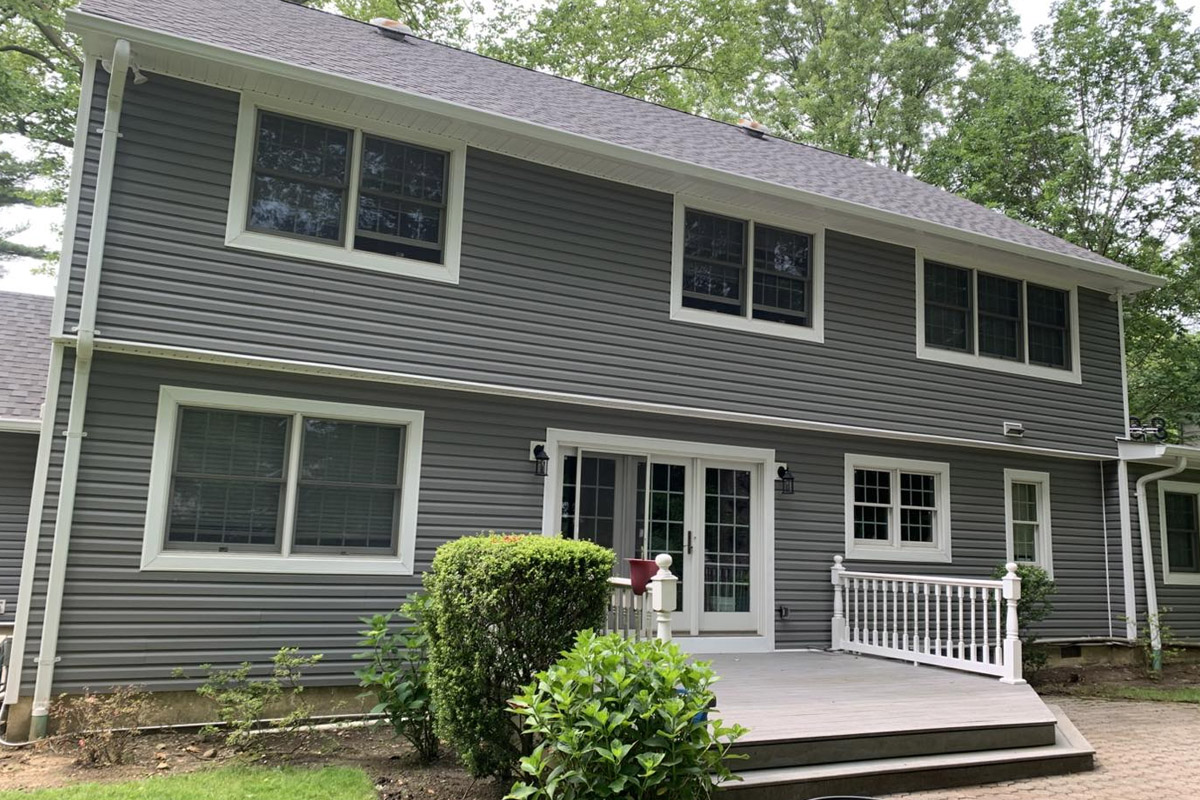
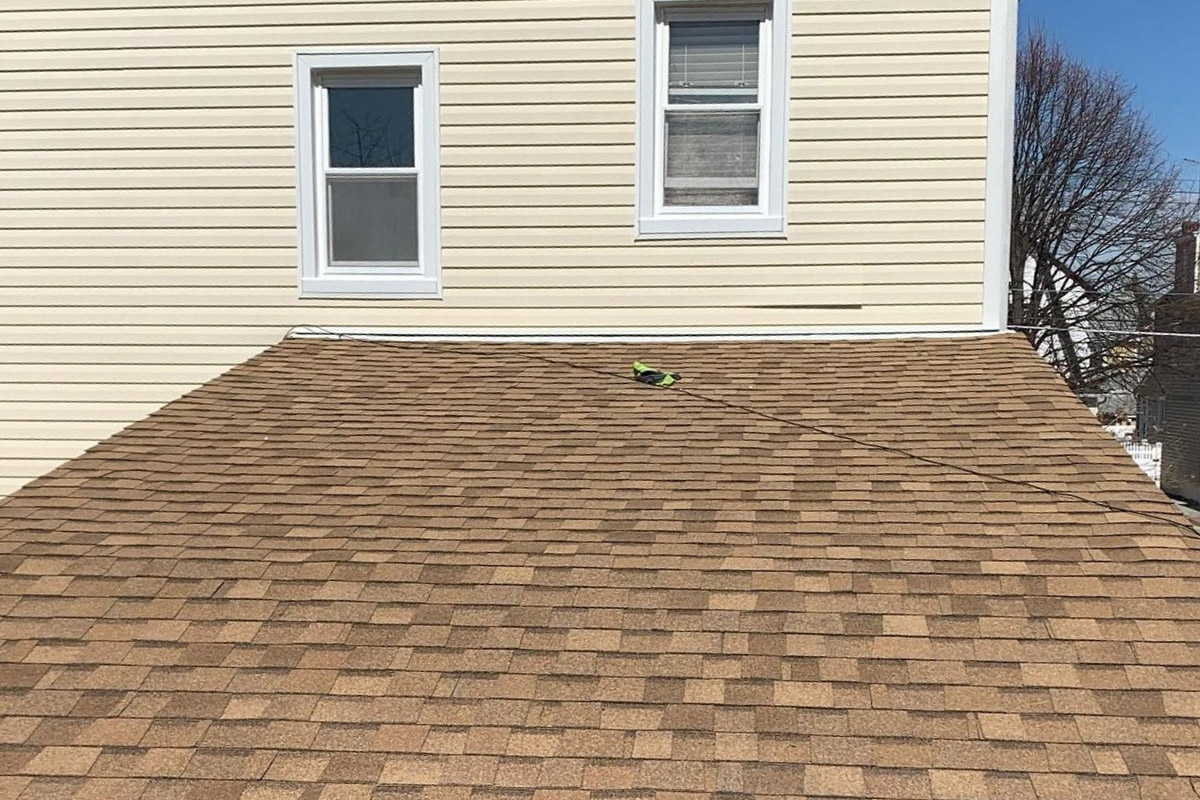
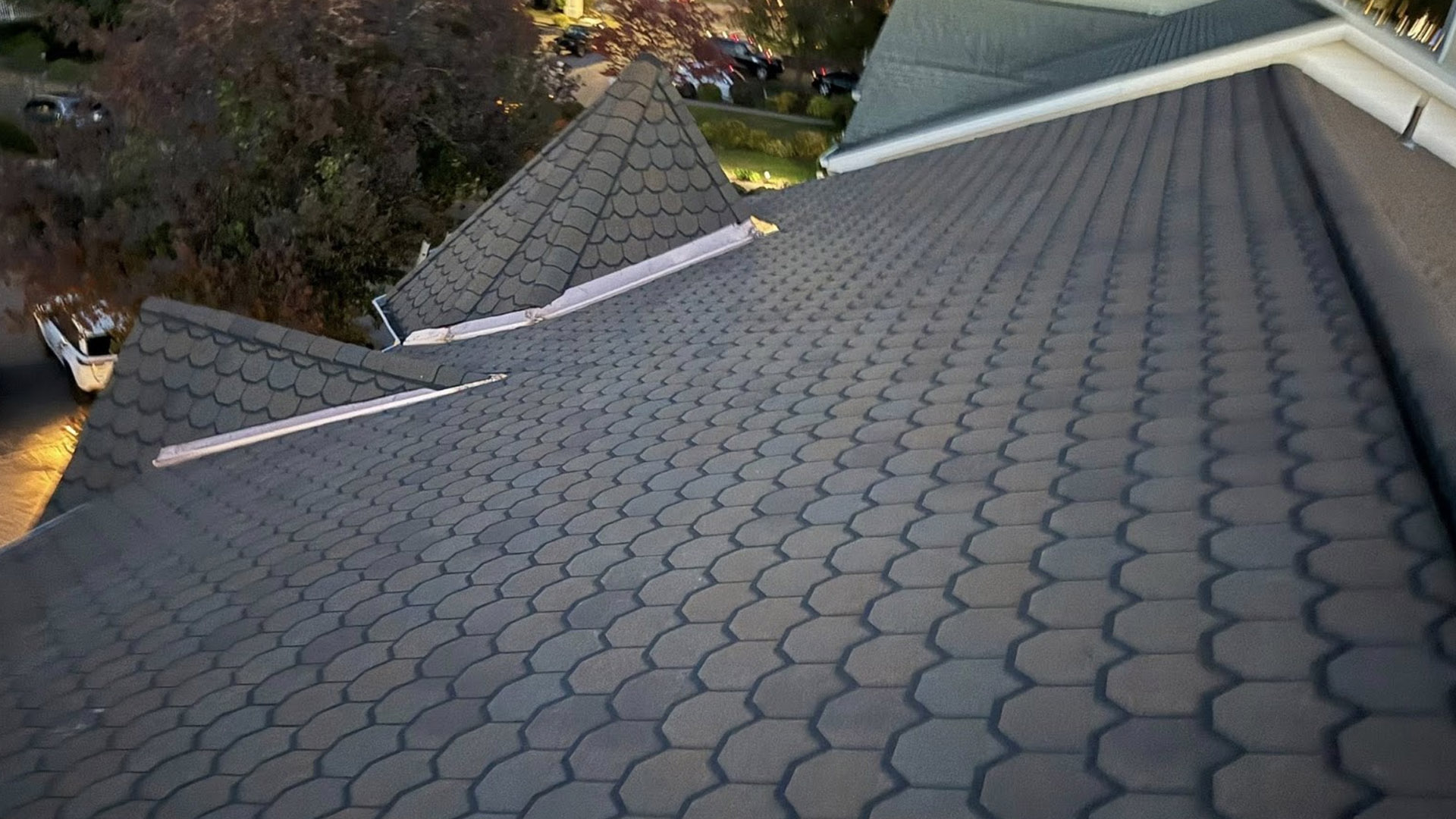
Wind repairs fail when the new shingle goes on with the same weak nailing that let the old one blow off. On a flat roof, a patch over a wet spot just traps water. These five steps keep that from happening, and they guide storm damage roof repair in Long Beach after a nor’easter too. Each step is something you can see in the photos you get from us.
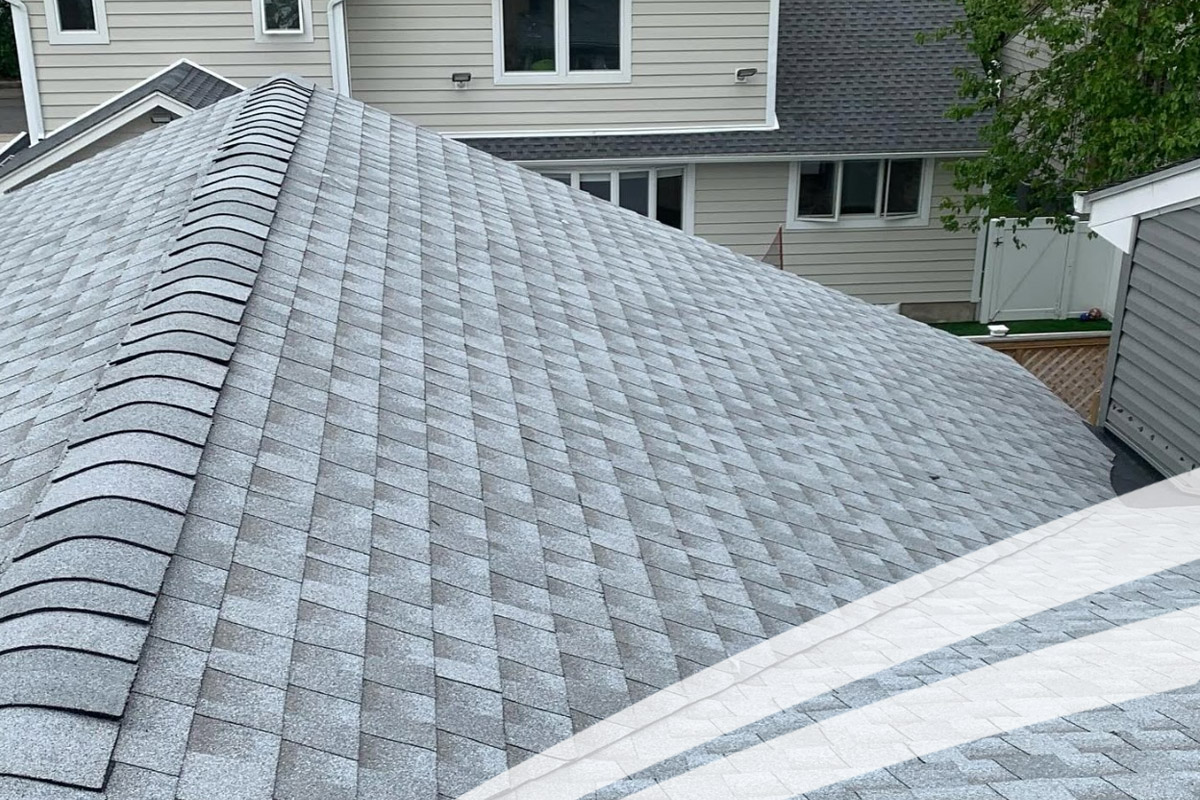
We start where the wind starts, at the eaves, rakes and ridge. We check for creased tabs, broken seal strips, loose drip edge and caps that rock under a hand. A creased tab means the next gust will finish the job, even if the shingle still looks flat from the street. On the ocean-facing slope, a few tabs get lifted to see if the sealant strip ever bonded. If it did not, the whole edge is at risk.
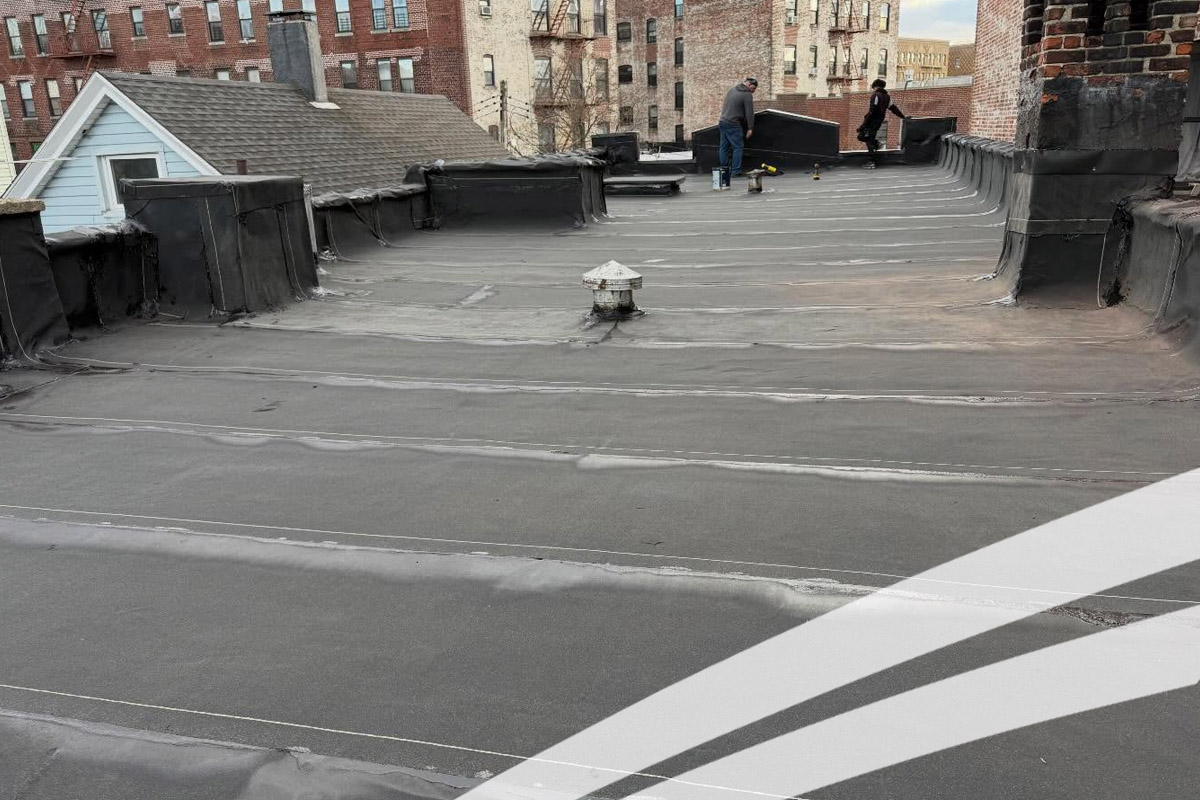
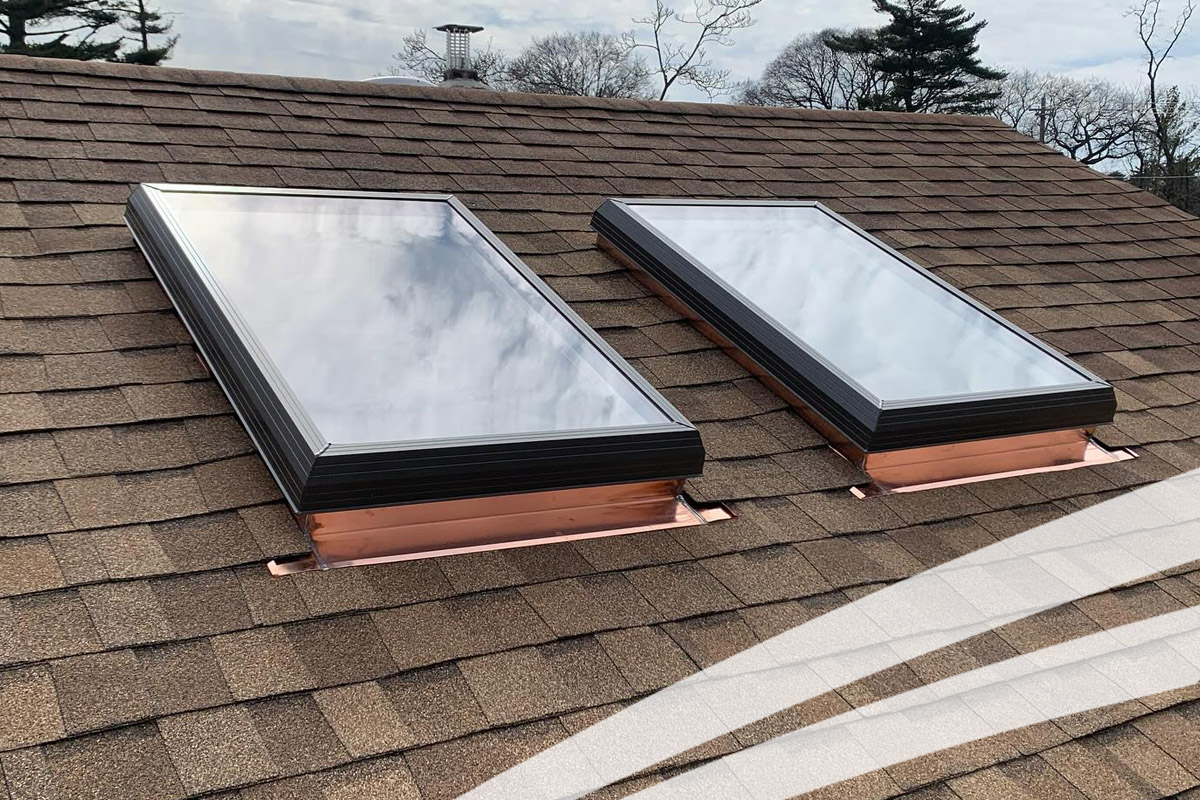
Then we look at each spot where something goes through the flat roof: deck posts, rail mounts, HVAC stands, vents, roof hatches and drains. On condo and apartment roofs we check parapet caps and scuppers too, since sand piles up there and holds water against the seams. Each penetration gets a photo and a note, so you can see which ones are sound and which ones are letting water in.
After that we run a moisture meter over flat and low-slope sections. Wet insulation under a membrane will not dry on its own, and it adds weight and rots the deck from above. We cut out the wet area and replace it, so the new patch is not sealing water in. On shingled slopes, the crew pushes on the deck near the eaves and ridge to find soft sheathing before new shingles go on.
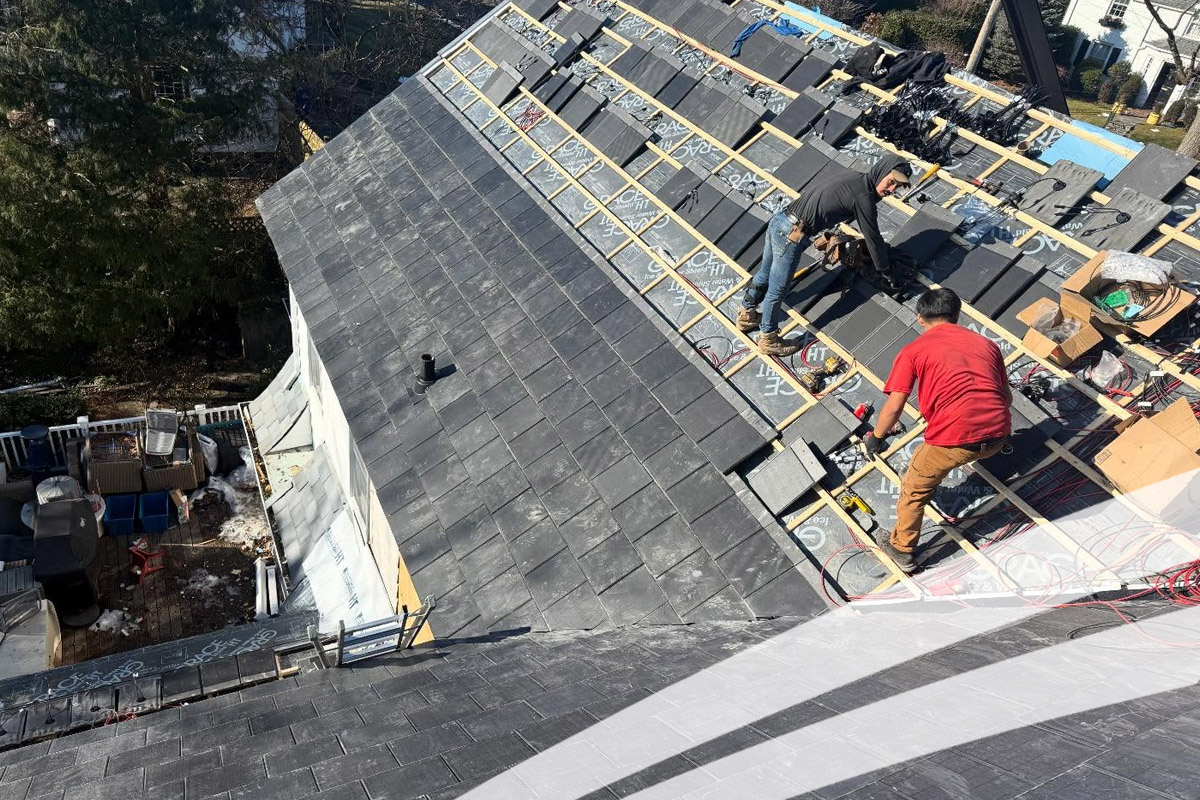
Next the crew makes the Roof Repair in Long Beach. Shingles get six nails and hand sealing at the edges, new drip edge is fastened tight, and membrane seams are welded or fully bonded. Deck posts get real flashing boots, not a ring of caulk. Ridge caps go on with longer nails that reach solid wood, and starter strips at the rakes are sealed so wind cannot get a grip on the first course.
Last, we sweep loose granules and grit off the roof, clear scuppers and gutters, and walk you through the photos. For condo and co-op boards, the photos and notes make it easy to report the work to other owners. You also get a short list of what to watch after the next big wind, like a ceiling spot or a loose cap, so a small issue gets a call before it turns into a leak.