
How Roof Repair in Nassau County Works for You
The county is one place on paper and three places on the roof. So our process has a step for every zone: salt air to the south, wind to the north and old framing in between. Here is how a repair call moves from your first phone call to a dry ceiling, with no guesswork in between.
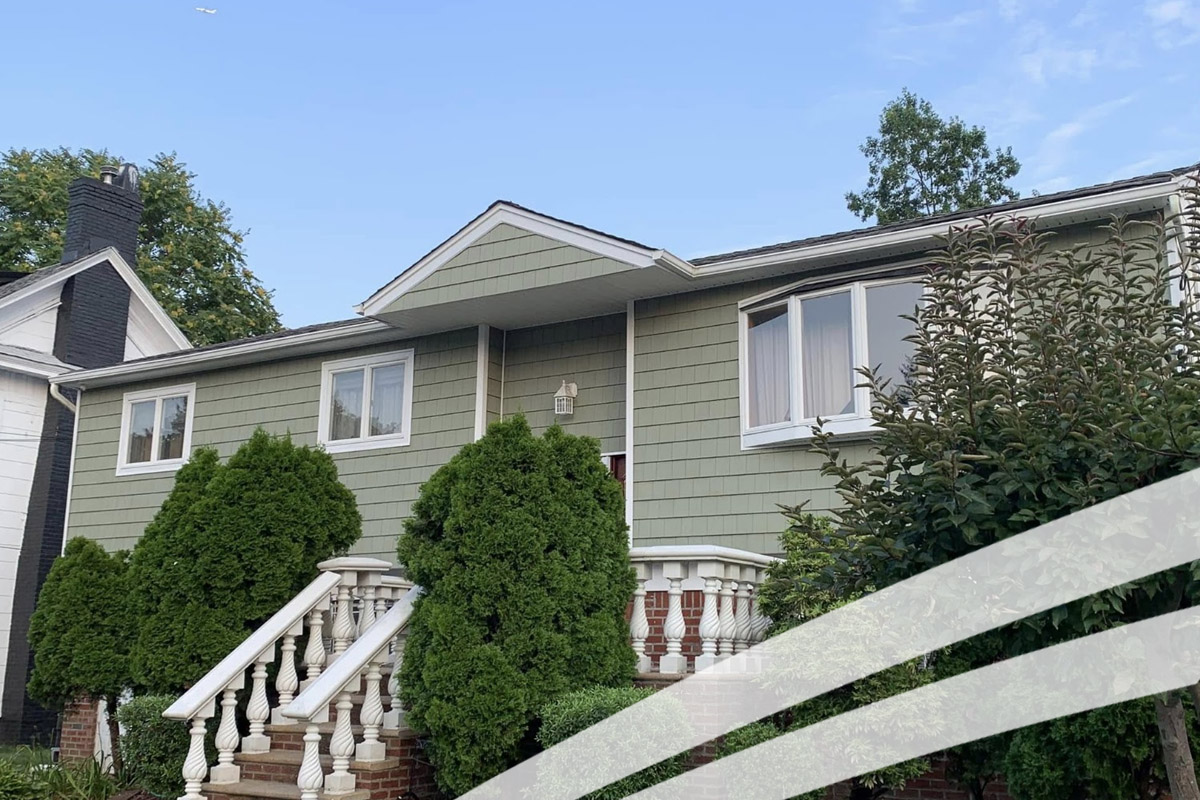
Your town tells us a lot before we arrive. A Freeport canal house means salt and rust. A Great Neck hilltop means wind. A Mineola cape means old decking. We pack the right flashing, sealants and fasteners before we leave, which saves you a second trip.
If water is coming in, the first job is keeping it out. For Emergency Roof Repair in Nassau County, the crew tarps or seals the open spot, protects the attic and your belongings, then schedules the full repair once the weather clears.
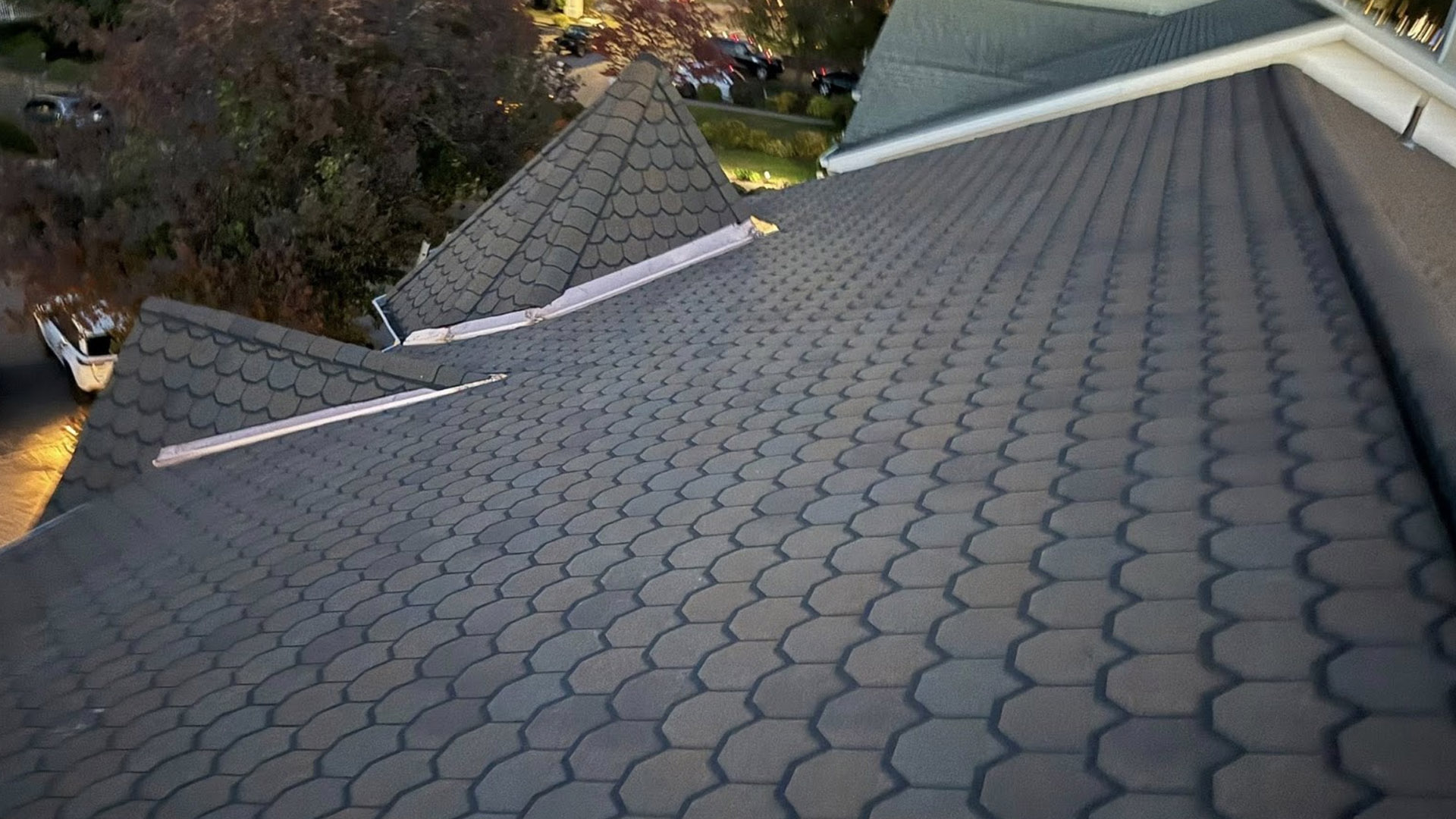
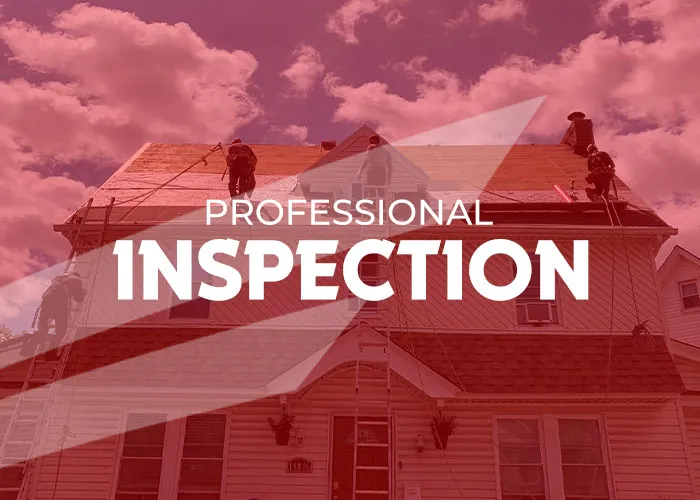
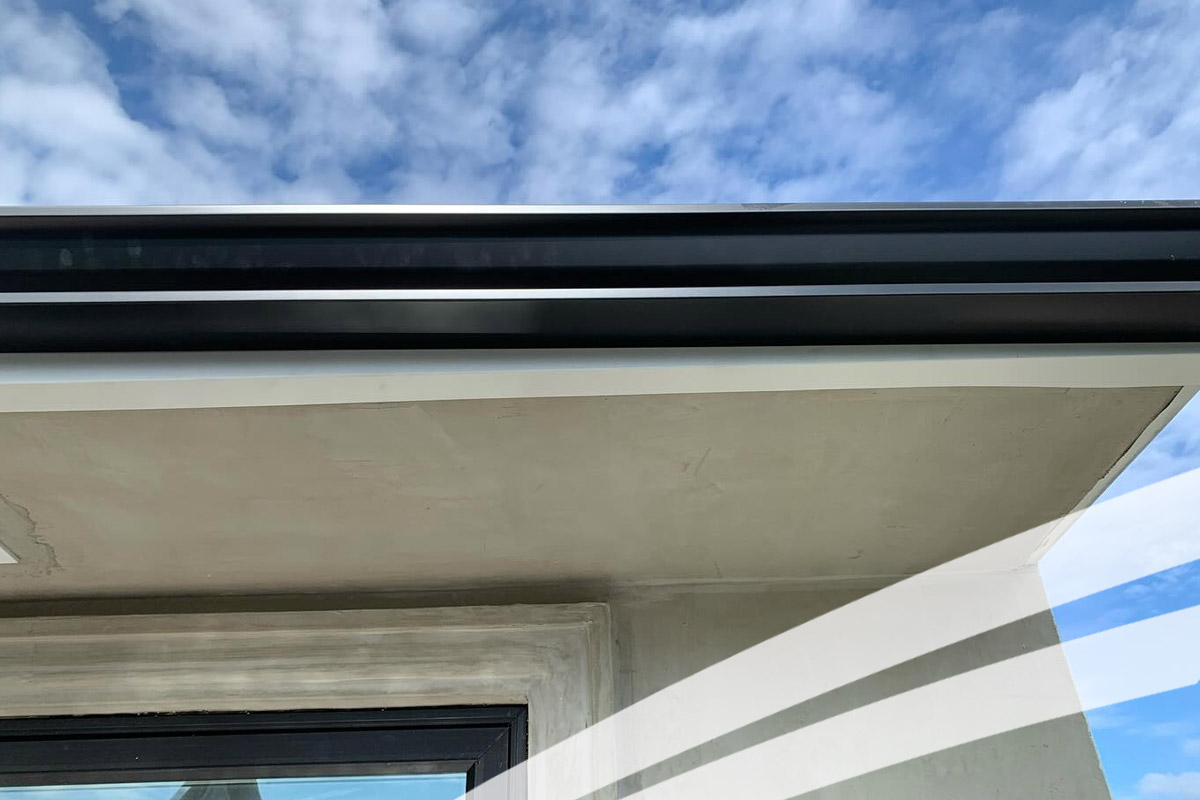
We start on top: flashing, valleys, boots, vents, chimney and edge. Then we go inside the attic to look for wet sheathing, stains, rusty nails and blocked soffits. Stains up there show where water really got in, which is often feet away from the drip.
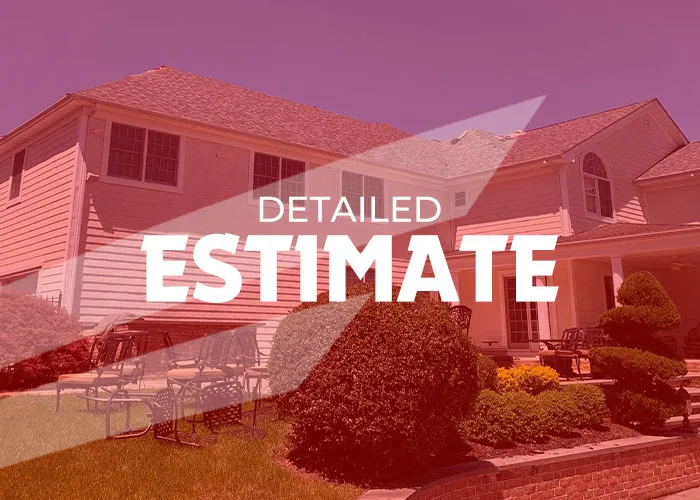
You see the same photos we see. After that, you get a written estimate that lists each item and price by line. No lump sums and no surprise add-ons. If repair will not last, we tell you plainly and show you why.
Nassau has three towns, two cities and dozens of villages, and each building department has its own rules. We check whether your repair needs a permit where you live and handle the paperwork when it does, so you never deal with the office alone.
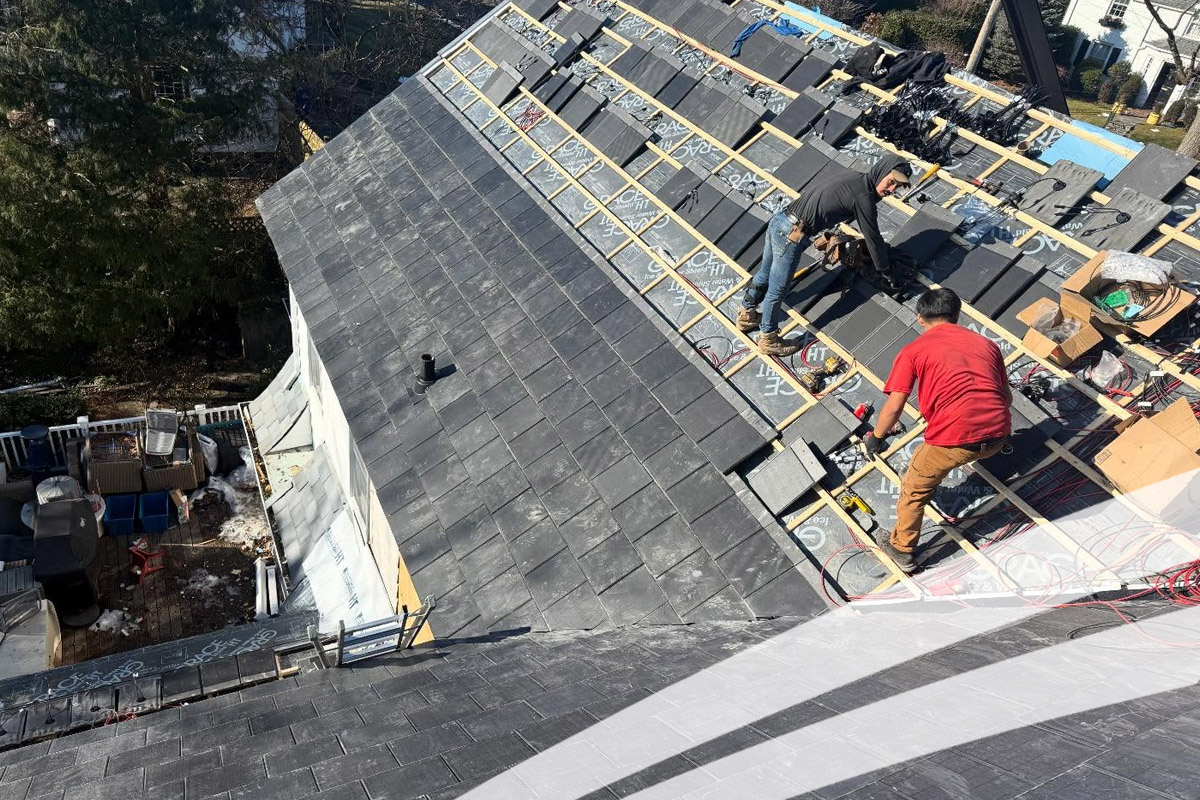
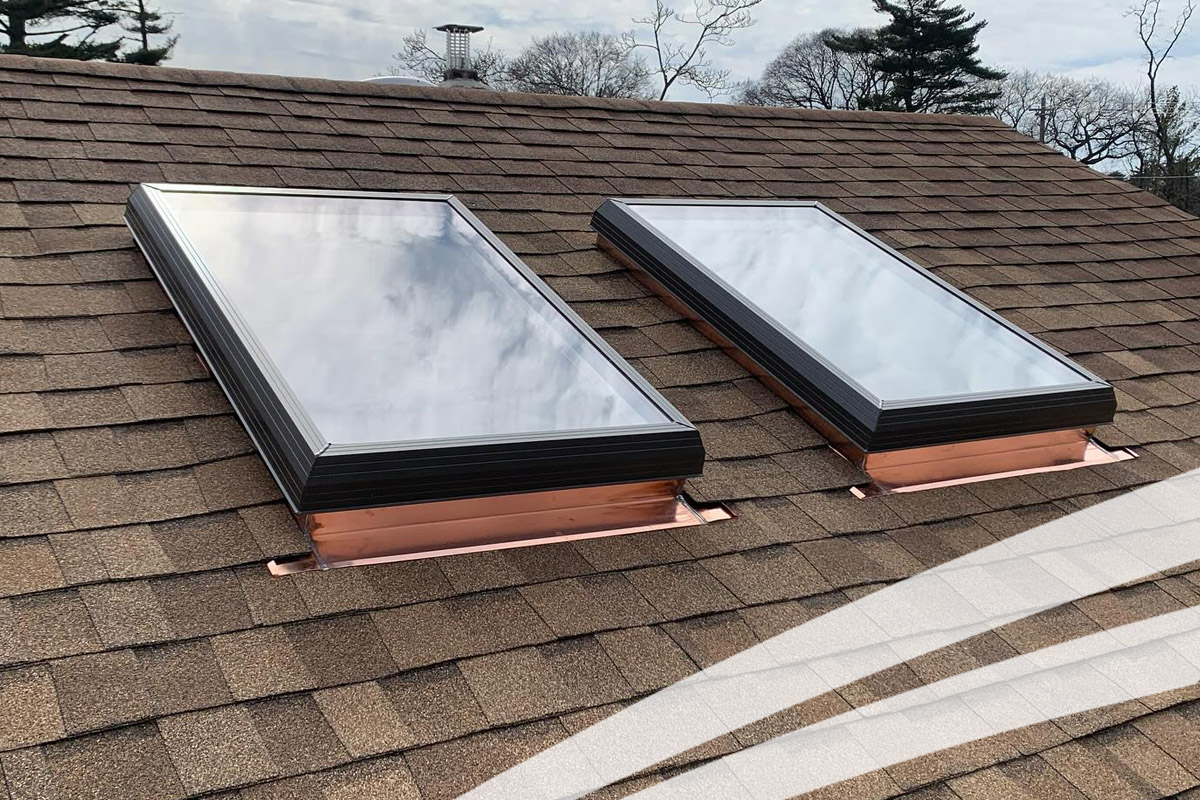
Then we make the fix. South Shore jobs get corrosion-resistant fasteners and flashing. North Shore jobs get high-wind nailing and sealed shingle strips. Older central homes get new decking where the old boards went soft, before any shingles go on.
When the work is done, we run water over the repaired area and check the attic for drips. After that, we walk you through the photos, clean up every nail and scrap, and explain your warranty in plain words.