Roof Ventilation Installation: Why Your Home Needs It and How It Works
Roof ventilation installation helps control attic heat, moisture, ice dams, shingle aging, and home comfort. Many Long Island homeowners only think about ventilation after they see ice buildup at the roof edge, high cooling bills, mold signs in the attic, or shingles wearing out too soon. A proper ventilation system creates balanced airflow from the soffits to the ridge so heat and moisture can escape. This guide explains how roof ventilation installation works, why it matters in every season, what vent types are used, and how Aaron Roofing Corp evaluates ventilation during roof inspections and replacements.
Quick Answer
Roof ventilation installation creates airflow through the attic by letting cooler air enter at the soffits and warmer, moisture-heavy air exit near the ridge. A balanced system can help reduce attic heat, moisture buildup, ice dam risk, and premature shingle aging.
Why Roof Ventilation Installation Matters
Roof ventilation installation is not just an optional upgrade. It helps protect the roofing system from both heat and moisture. In summer, an attic without enough airflow can become extremely hot. That heat can push into living spaces, increase cooling demand, and age shingles from below.
In winter, poor ventilation can trap warm, moist air in the attic. Moisture may condense on cold roof decking, which can damage insulation and wood over time. A warm attic can also contribute to ice dams when snow melts on the roof and refreezes near the eaves.
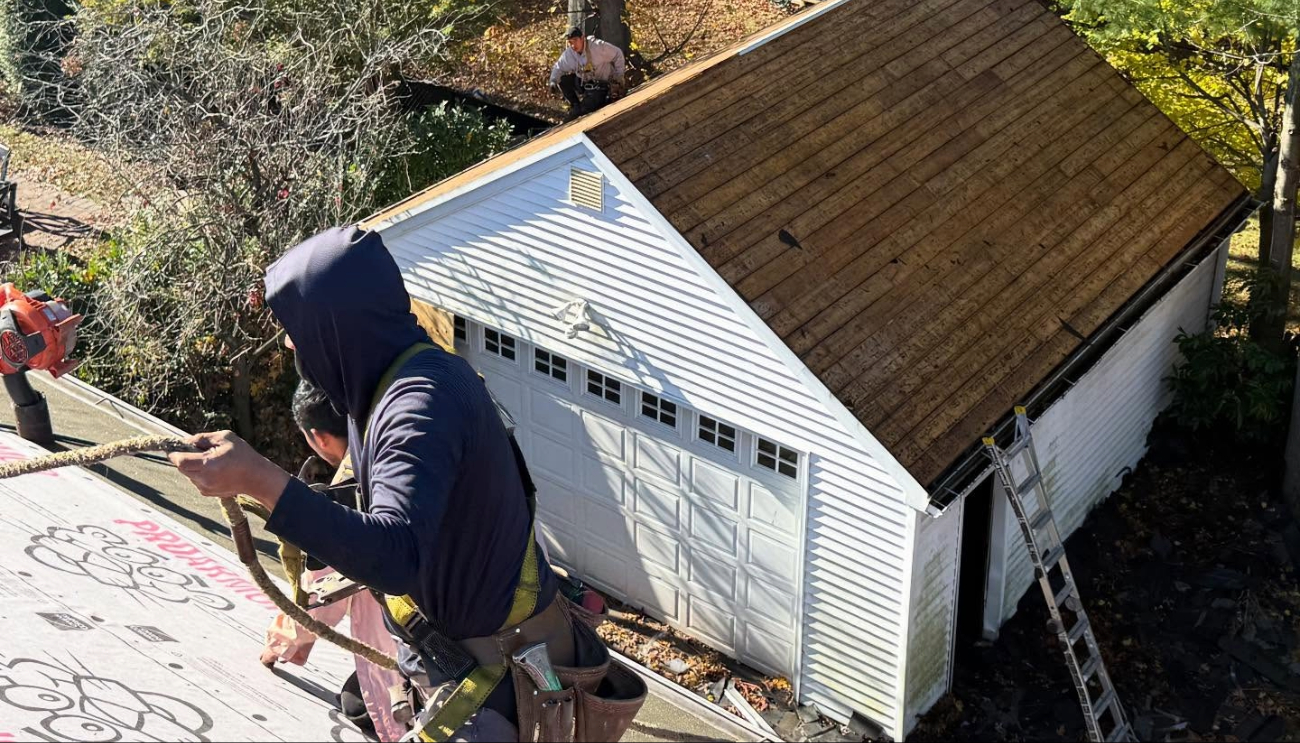
Aaron Roofing Corp evaluates ventilation during roof replacement projects and roof inspections to help homeowners avoid preventable performance problems.
How Roof Ventilation Works
Roof ventilation installation works by creating a continuous airflow path. Intake vents allow air to enter at the lower part of the roof, usually through soffit vents. Exhaust vents allow air to leave near the top of the roof, usually through ridge vents or other roof vents.
The system works best when intake and exhaust are balanced. If a home has exhaust vents but blocked soffits, air cannot move properly. If it has intake but not enough exhaust, heat and moisture may remain trapped.
For general energy guidance, Energy.gov’s home ventilation information is a useful resource for understanding why ventilation affects comfort and moisture control.
Summer and Winter Ventilation Problems
Roof ventilation installation solves different problems in different seasons. In summer, the goal is heat removal. Airflow helps keep attic temperatures closer to outdoor temperatures instead of allowing heat to build up under the roof deck.
In winter, the goal is moisture control and temperature balance. Warm air from the living space can reach the attic through ceiling gaps, attic hatches, light fixtures, or other openings. Ventilation helps carry that moisture away before it condenses on cold surfaces.
Good ventilation does not replace insulation. Insulation slows heat transfer from the living space into the attic. Ventilation manages the attic air after moisture and heat reach that space.
Ice Dams and Roof Ventilation Installation
Roof ventilation installation can help reduce ice dam risk when paired with proper attic insulation and air sealing. Ice dams form when heat warms the roof deck, melts snow, and the water refreezes at the colder eaves. Once ice builds up, water can back up under shingles and enter the roof system.
Long Island homes that see repeated icicles, roof-edge ice, or winter ceiling stains may need an attic and ventilation inspection. The problem may not be the shingles alone. It may be the combination of heat escape, blocked soffits, weak insulation, and poor exhaust ventilation.
Aaron Roofing Corp also provides roof repair services when ice dams, leaks, or moisture problems have already caused damage.
Types of Roof Vents
| Vent Type | Location | Purpose |
|---|---|---|
| Soffit vents | Eaves | Bring fresh intake air into the attic |
| Ridge vents | Roof ridge | Release warm and moist attic air |
| Box vents | Near the upper roof area | Provide exhaust where ridge vents are not used |
| Gable vents | Gable walls | Can support airflow depending on roof design |
| Solar attic fans | Roof deck | Provide powered exhaust with solar energy |
The best system for many pitched roofs is continuous soffit intake paired with continuous ridge exhaust. Mixing vent types incorrectly can reduce performance, so the full attic should be reviewed before adding vents.
What Roof Ventilation Installation Involves
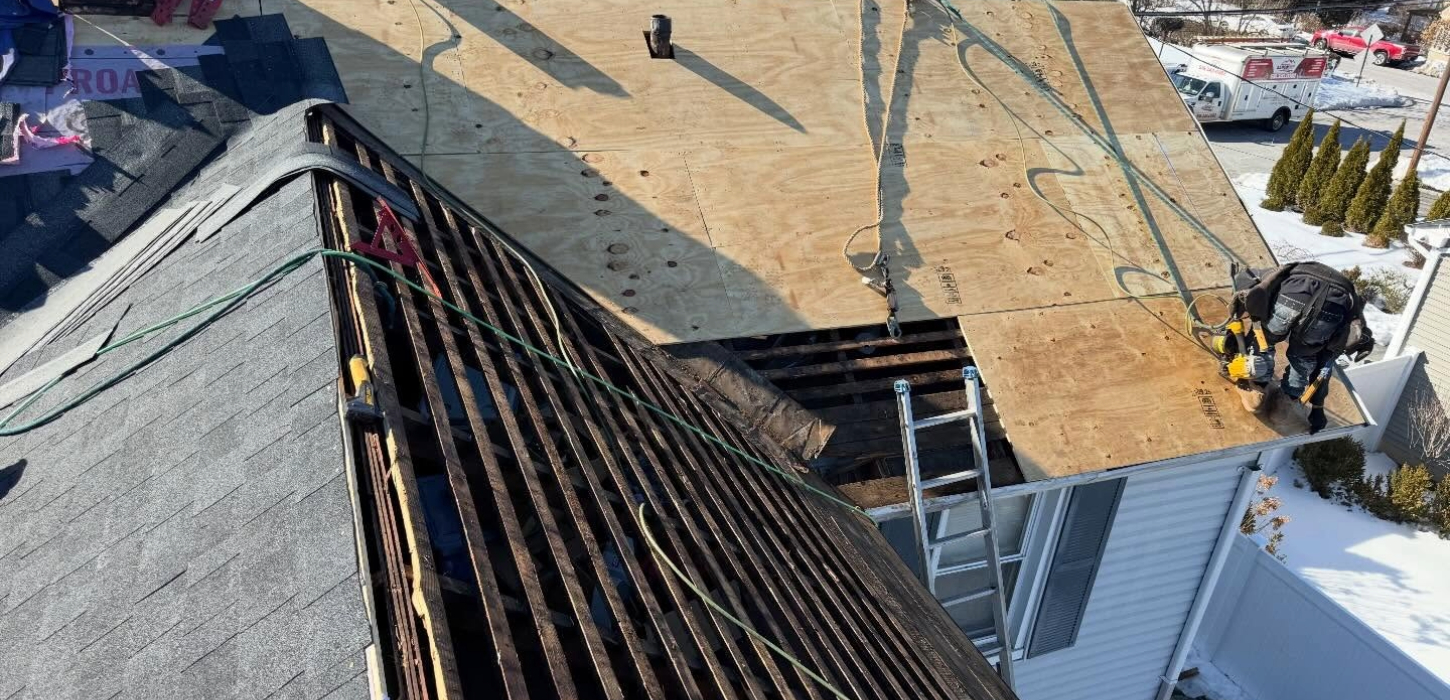
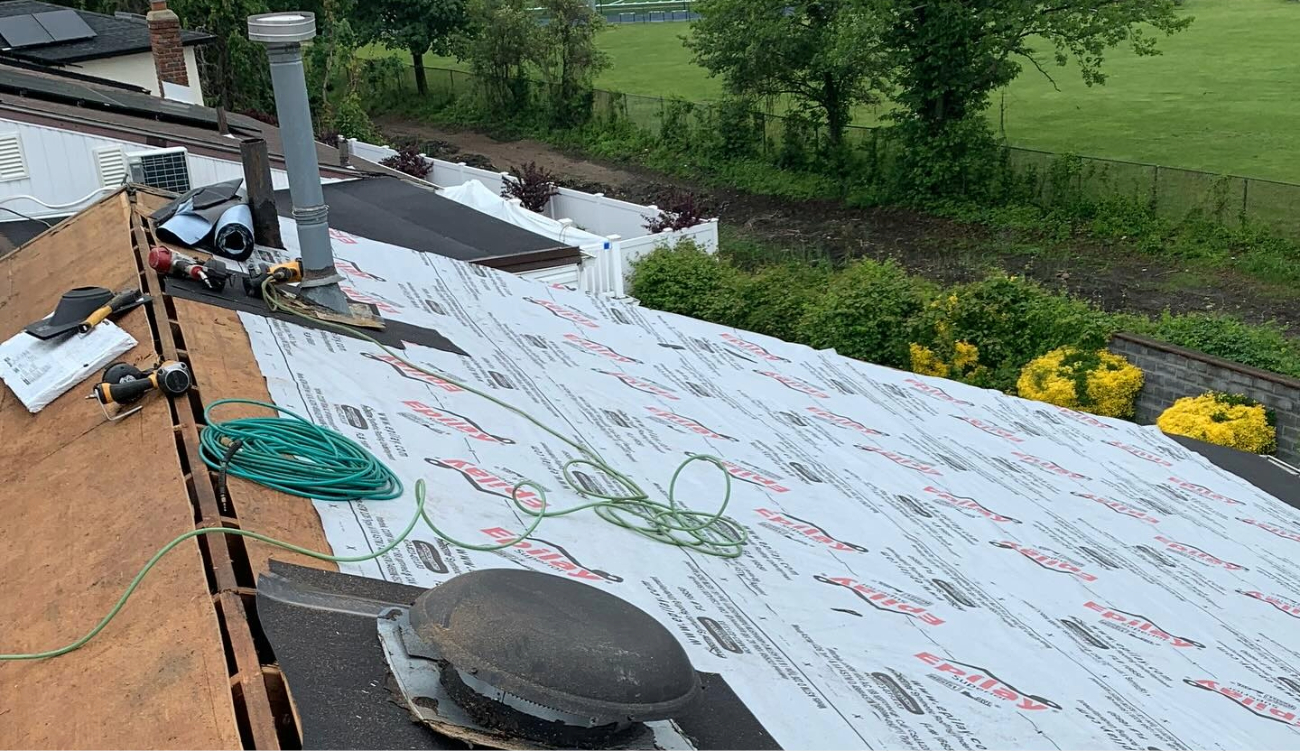
Roof ventilation installation may involve cutting a ridge slot, installing ridge vents, adding soffit vents, clearing blocked intake, installing baffles, or replacing ineffective vent products. During a full roof replacement, ridge vent installation is easier because ridge cap shingles are already being removed and replaced.
If soffit vents are blocked by insulation, air cannot enter the attic correctly. In that case, baffles or vent chutes may be needed to keep the airflow path open from the soffits into the attic.
Homeowners can request a free roof and ventilation inspection through the Aaron Roofing Corp contact page.
Warning Signs of Poor Roof Ventilation
Roof ventilation installation may be needed if your attic shows signs of heat, moisture, or airflow problems. Common warning signs include hot attic temperatures in summer, frost on the underside of the roof deck in winter, musty odors, mold staining, wet insulation, ice dams, and shingles aging too quickly.
Some warning signs show indoors. High cooling bills, uneven upstairs temperatures, or water stains near exterior walls after winter weather can all point to attic ventilation problems.
Frequently Asked Questions
How do I know if my home has enough roof ventilation?
A professional inspection can compare your attic size, intake vents, exhaust vents, and airflow path to proper ventilation requirements.
Can too much ventilation be a problem?
The bigger problem is usually unbalanced ventilation. Intake and exhaust should work together without competing airflow paths.
Does insulation replace the need for ventilation?
No. Insulation and ventilation do different jobs. Insulation slows heat transfer, while ventilation removes attic heat and moisture.
How long does roof ventilation installation take?
Many ventilation upgrades can be completed in one day or added during a roof replacement with little extra project time.
Can better ventilation lower energy bills?
It can help in many homes by reducing extreme attic heat, especially when paired with proper insulation and air sealing.
Conclusion
Roof ventilation installation helps protect your shingles, attic, insulation, and interior comfort. A balanced system can reduce attic heat, moisture buildup, ice dam risk, and avoidable roof wear.
Aaron Roofing Corp serves Suffolk and Nassau County homeowners with roof inspections, roof replacement, roof repair, ventilation evaluation, flashing work, and emergency service. To schedule a free inspection, visit the Aaron Roofing Corp contact page or call 516-343-0382.