Roof Replacement Cost: What Homeowners Are Really Paying in 2026
At some point, every homeowner faces the same uncomfortable truth: the roof that has protected your home for years isn’t going to last forever. Whether you’ve spotted missing shingles after a storm, noticed water stains spreading across your ceiling, or received a warning from a home inspector, the question quickly shifts from “do I need a new roof?” to “how much is this going to cost me?”
Roof replacement cost is one of the most searched home improvement topics for a reason. Replacement roofing services are a significant investment, and most people have no idea what a fair price looks like until they’re already in the middle of the process. This guide breaks down what goes into the cost, what you should expect to pay in 2026, and why working with an experienced contractor like Aaron Roofing Corp makes all the difference between a job done right and one that comes back to haunt you.
What Is the Average Roof Replacement Cost in 2026?
Roof replacement costs have risen steadily over the past few years, driven by material prices, labor markets, and supply chain factors. In 2026, most residential roof replacements fall somewhere between $8,000 and $25,000, with the national average sitting around $11,000 to $14,000 for a standard asphalt shingle roof on a mid-sized home.
That range might feel wide, and it is. Roof replacement cost isn’t a one-size-fits-all number. The final price depends on several interconnected factors, each of which can push costs up or down considerably.
Key Factors That Affect Your Roof Replacement Cost
1. Roof Size and Pitch
Roofing is measured in “squares,” where one square equals 100 square feet. A typical 2,000 square foot home might have a roofing area of 20–25 squares once pitch and overhang are factored in. Steeper roofs cost more to work on because they require additional safety measures and take longer to complete. If your home has a complex roofline with multiple valleys, dormers, or skylights, expect that to add to the total as well.
2. Roofing Material
Material choice is often the biggest single variable in your cost. Here’s a quick breakdown of common options:
- Asphalt shingles: $8,000–$15,000: the most popular and cost-effective option
- Architectural/dimensional shingles: $10,000–$18,000: improved aesthetics and durability
- Metal roofing: $15,000–$30,000: long lifespan and excellent energy efficiency
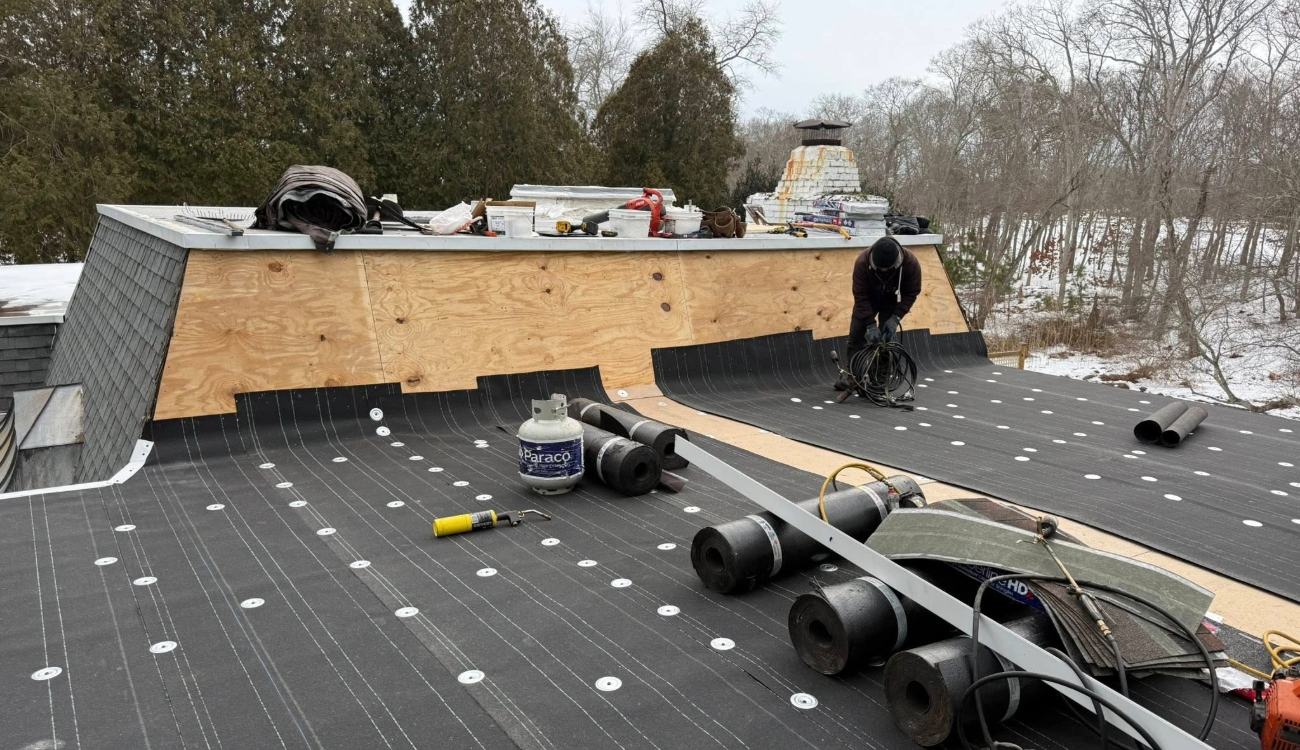
- Flat roofing systems (TPO, EPDM, modified bitumen): $7,000–$20,000 depending on system and coverage area
- Slate or tile: $20,000–$50,000+: premium materials with exceptional longevity
3. Tear-Off and Disposal
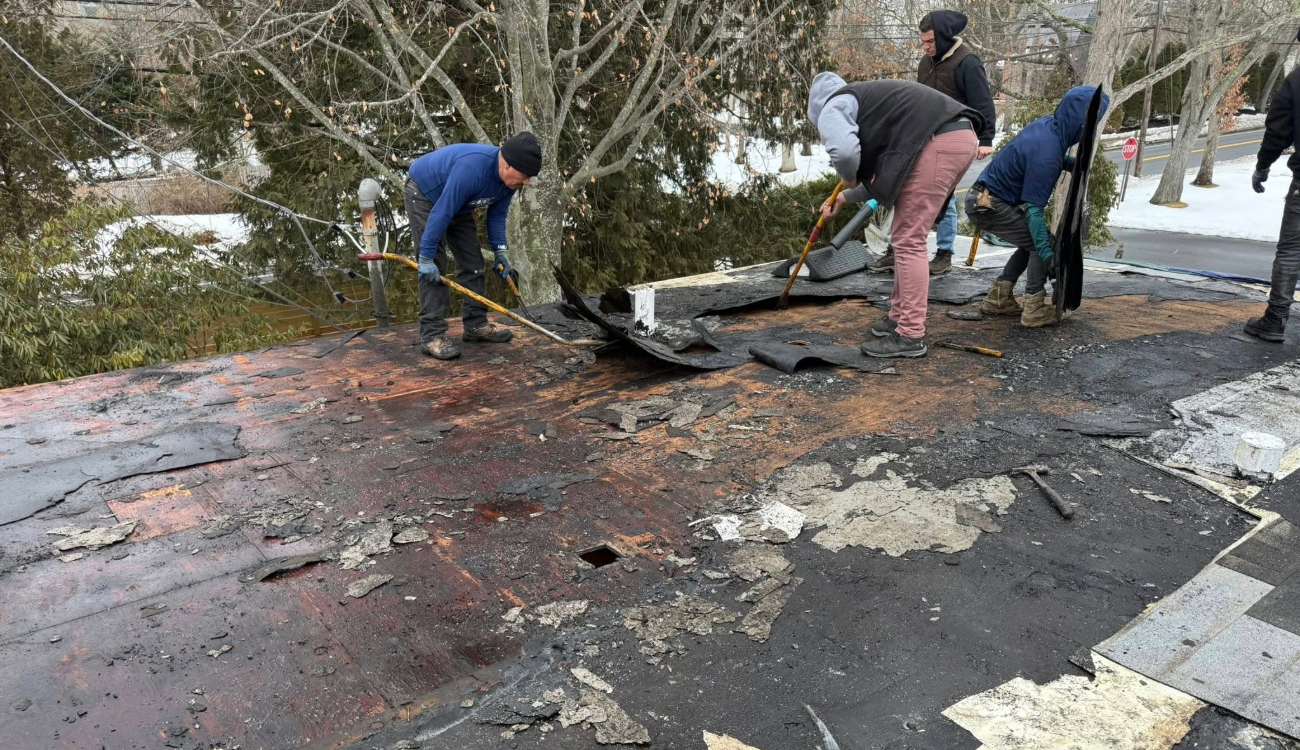
Before installing a new roof, the old one typically needs to come off. Tear-off labor and disposal fees can add $1,000–$3,000 to the total depending on the number of existing layers and local disposal costs. Some contractors try to skip this step by layering new shingles over old ones, this is generally a red flag. It shortens the life of your new roof and can void manufacturer warranties.
4. Decking Condition
Once the old roofing material is removed, the decking (the plywood or OSB beneath) gets inspected. If there’s rot, water damage, or structural compromise, those sections need to be replaced before anything else goes on. It’s an added cost, but skipping this step would be like painting over rust since it doesn’t fix the underlying problem.
5. Location and Local Labor Rates
Where you live has a real impact on what you pay. Labor costs vary significantly by region, and local permit requirements can add a few hundred dollars to the project as well. In denser metro areas or regions with higher cost of living, expect labor rates to reflect that.
What Does the Roof Replacement Process Actually Look Like?
Understanding roof replacement cost is only part of the picture. Knowing what a professional, trustworthy contractor actually does during the process helps you evaluate any proposal you receive and spot corners being cut.
At Aaron Roofing Corp, the process begins with a real conversation. Their team takes your call, gathers the details, and schedules an on-site inspection at a time that works for you. During that inspection, they measure the roof, photograph any problem areas, and identify issues that might not be visible from the ground: things like ventilation problems, compromised flashing, or soft spots in the decking.
From there, you receive a clear written proposal outlining exactly what work will be done, what materials will be used, the project timeline, and the total investment, including warranty information. No vague estimates, no surprise line items added after the fact.
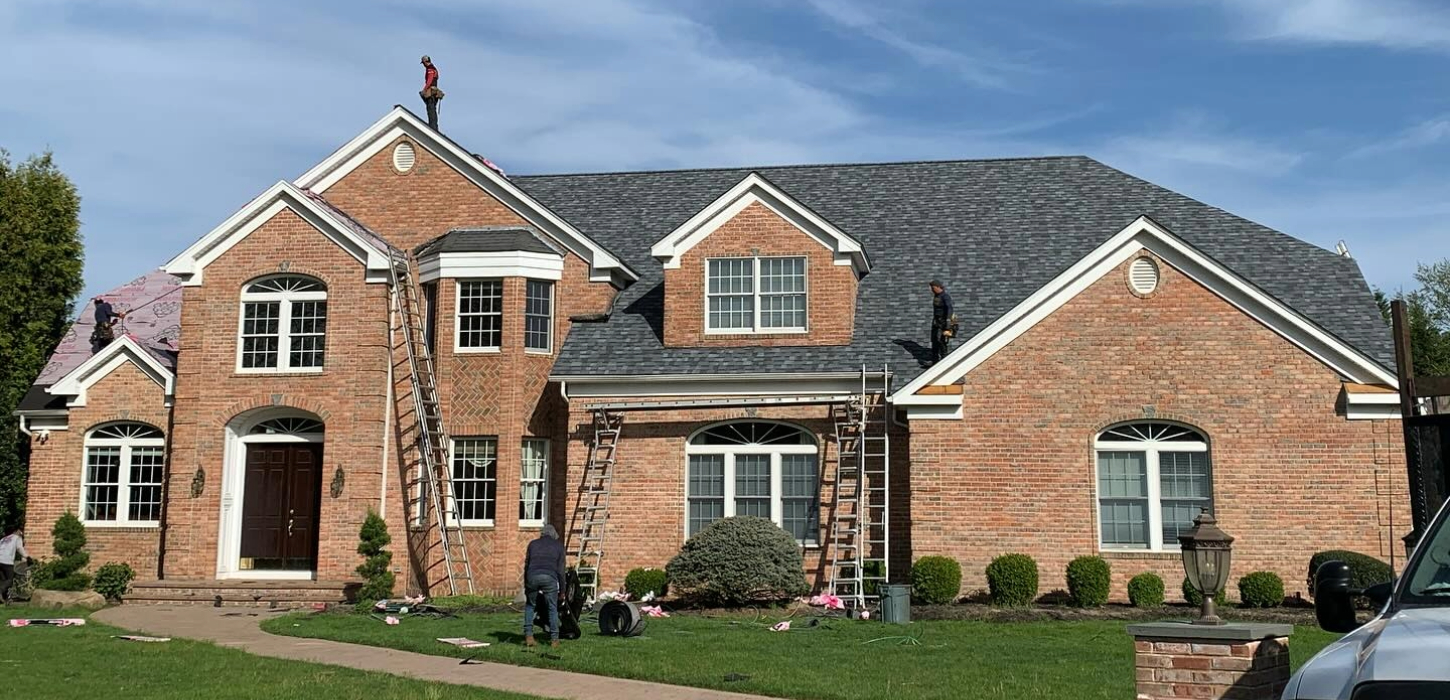
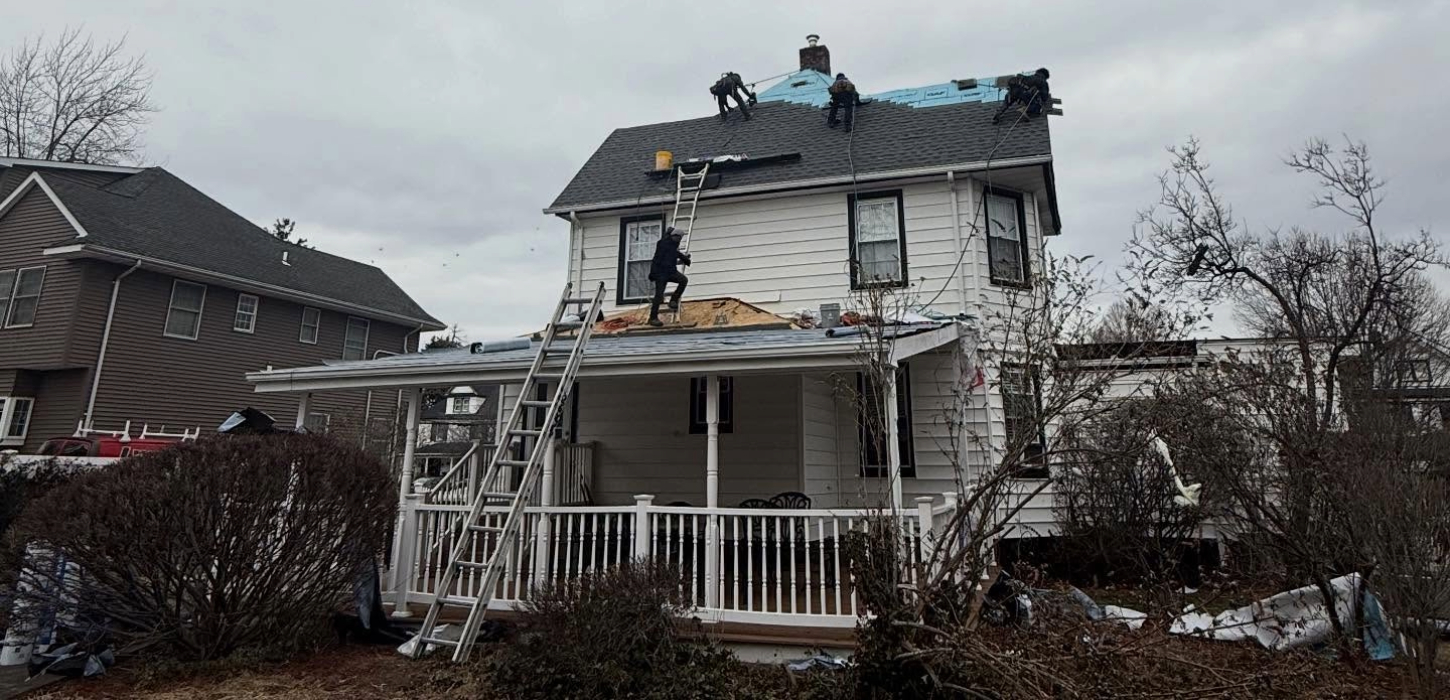
Once the project is underway, their crew handles the tear-off, decking inspection, and new installation with care and efficiency. Throughout the project, clients receive daily updates so there are no surprises. The job wraps up with a thorough final walkthrough, a clean job site, and full warranty documentation handed over to the homeowner.
When Should You Replace vs. Repair Your Roof?
Not every roofing issue calls for a full replacement, and a trustworthy contractor will tell you so. If the damage is localized, a few missing shingles, a small area of flashing that’s failed, or a minor leak with a clear source, a targeted repair can absolutely do the job.
That said, if your roof is approaching 20–25 years old (the typical lifespan of asphalt shingles), or if you’re dealing with widespread granule loss, sagging areas, recurring leaks, or significant storm damage, the math often favors replacement. Repeatedly patching an aging roof gets expensive quickly, and it delays the inevitable while leaving your home exposed to potential water intrusion and structural damage.
Aaron Roofing Corp approaches each inspection with that honest lens. They’re not in the business of upselling a replacement when a repair will handle the problem, but they’re also not going to patch something that’s better off replaced, only for the homeowner to call again six months later with a bigger problem.
What to Watch Out for When Getting Quotes
The roofing industry, unfortunately, has its share of contractors who take advantage of homeowners who aren’t sure what to look for. Here are a few things to be cautious about when reviewing bids:
- Unusually low bids: If one quote is dramatically lower than the others, it usually means something is being skipped. You could potentially be facing substandard materials, unlicensed labor, or no proper tear-off.
- Vague proposals: A professional contractor should give you a written scope of work, not just a verbal ballpark.
- Pressure tactics: Storm chasers often knock on doors immediately after severe weather and push for same-day decisions. Take your time.
- No warranty information: Any reputable roofing company should clearly outline both the manufacturer’s material warranty and their own workmanship warranty.
Aaron Roofing Corp addresses all of this upfront. Their proposals are detailed and transparent, their materials are quality-grade, and their workmanship comes backed by warranty documentation you receive at the close of every project.
Beyond the Roof: A Full-Service Exterior Partner
One thing that sets Aaron Roofing Corp apart from contractors who only do roofing is the breadth of what they actually handle. While roof replacement is a core specialty, they also offer siding installation and replacement, gutter installation and cleaning, window and door replacement, decks, driveways, power washing, and even masonry and copper work.
This matters for practical reasons. When you’re replacing a roof, it’s often a natural time to address related exterior issues, gutters that have been pulling away, siding that took storm damage, or windows that have been losing efficiency. Having one contractor who can manage all of it eliminates the coordination headache and ensures consistent quality across every part of the project.
On the interior side, they also bring that same level of craftsmanship to kitchens, bathrooms, extensions, and painting. Whether you’re working through a single exterior project or thinking about a broader renovation, Aaron Roofing Corp has the expertise to see it through.
Why Aaron Roofing Corp Is the Right Choice for Your Roof Replacement
There are a lot of contractors out there willing to put a new roof on your house. What separates the good ones from the rest isn’t just price, it’s the combination of honest communication, genuine craftsmanship, and the willingness to stand behind the work when the job is done.
Aaron Roofing Corp was built around a straightforward idea: exceed expectations, every time. That means being upfront about what your roof actually needs, delivering quality workmanship that holds up over years, not just weeks, and treating every client’s property with the same care they’d bring to their own homes.
Their step-by-step process, from the initial call through the final walkthrough, is designed to keep homeowners informed and confident at every stage. You’re never left wondering what’s happening on your own roof. And when the work is done, you have written documentation in hand and a team you can call if anything ever needs attention down the line.
Understanding roof replacement cost is important, but understanding who you’re trusting with your home matters just as much. Aaron Roofing Corp brings both the expertise and the integrity that homeowners deserve from a roofing contractor.
Frequently Asked Questions
1. How much does a roof replacement cost on average in 2026?
Most homeowners pay between $8,000 and $25,000 for a full roof replacement, with the average falling around $11,000–$14,000 for a standard asphalt shingle roof on a mid-sized home. Your final cost depends on roof size, pitch, material choice, and the condition of the decking underneath.
2. What is the cheapest roofing material for a replacement?
Asphalt shingles are the most affordable and widely used option, typically ranging from $8,000 to $15,000 installed. They offer a solid balance of cost, durability, and curb appeal, which is why they remain the go-to choice for most residential replacements.
3. Does homeowners insurance cover roof replacement?
It depends on the cause of the damage. Most policies cover sudden, storm-related damage like hail or wind, but they typically won’t cover replacement due to normal wear and aging. Always review your policy and document damage with photos before filing a claim.
4. How long does a roof replacement take?
Most residential roof replacements are completed in one to three days, depending on the size and complexity of the roof. Factors like weather, the number of layers being removed, and decking repairs can extend that timeline slightly.
5. Can you put new shingles over old ones instead of tearing off?
Technically yes, but it’s generally not recommended. Layering new shingles over old ones can shorten the lifespan of your new roof, add unnecessary weight to your home’s structure, and void manufacturer warranties. A proper tear-off gives you a clean surface and lets the crew inspect the decking for hidden damage.
Get a Clear, Honest Estimate Today
If your roof is showing signs of wear, or if you simply want a professional assessment before problems develop, don’t wait. The longer roofing issues go unaddressed, the more they tend to compound. Contact Aaron Roofing Corp today to schedule your consultation. Call us at 516-343-0382 or visit aaronroofingcorp.com to get the process started. Their team will walk your property, give you an honest assessment, and put together a detailed proposal so you know exactly what your roof replacement cost will be before any work begins.
Your home deserves quality workmanship. Aaron Roofing Corp delivers it!