What Is the Lifespan of a Roof in New York? When to Replace vs. Repair
What is the lifespan of a roof is one of the most searched roofing questions among homeowners in New York, and the answer varies more than most people expect. A roof on a home in Massapequa faces different stressors than a roof in Rochester or Buffalo, and even two identical homes in Nassau County can have dramatically different outcomes depending on installation quality, ventilation, and the specific products used. What is the lifespan of a roof in New York comes down to material choice, local climate exposure, and maintenance; this guide covers all three honestly.
Roof Lifespan by Material in New York
What is the lifespan of a roof depends first on what it is made of. Not all shingles are created equal, and the gap between a three-tab shingle and a high-end architectural product is not just cosmetic: it is 10 to 15 years of service life. Understanding what is the lifespan of a roof by material category is the most important factor in planning a replacement budget.
- Three-tab asphalt shingles: 15 to 20 years in New York conditions, the most common roof on homes built between 1970 and 1995
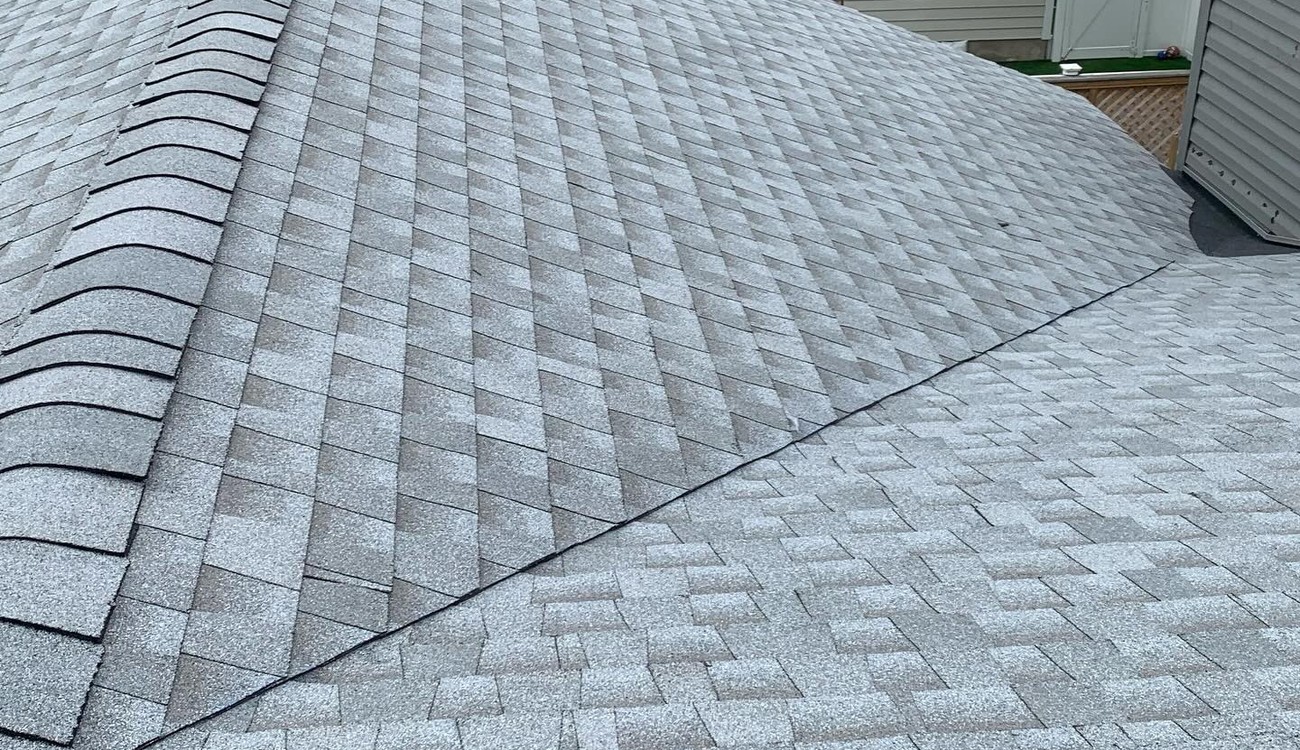
- Architectural (dimensional) asphalt shingles: 22 to 28 years, the current standard for replacement installs in Nassau and Suffolk County
- Impact-resistant architectural shingles: 25 to 30+ years, with Class 4 wind and impact ratings suited to Long Island’s storm exposure
- Metal roofing (standing seam or metal shakes): 40 to 50 years, excellent for coastal properties with low maintenance requirements
- Natural slate: 75 to 100+ years when properly maintained, rare in Long Island but found on older estate homes
- Flat roofing systems (TPO, EPDM): 15 to 25 years depending on membrane thickness, installation, and UV exposure
Roof lifespan by material is also influenced by the quality tier within each category. An entry-level architectural shingle and a premium designer shingle can differ by 7 to 10 years in service life on the same roof. Understanding what is the lifespan of a roof within each category tier prevents buyers from being misled by low-tier products quoted at the same price as higher-rated alternatives.
What Shortens Roof Life on Long Island
What is the lifespan of a roof in Long Island specifically is often shorter than manufacturer estimates because Long Island’s environment applies stress that inland regions do not. What is the lifespan of a roof near the South Shore can be 2 to 5 years shorter than the same product installed in a less coastal location in Nassau County.
- Salt air and coastal humidity: accelerates deterioration of asphalt and corrosion of metal flashings, drip edges, and gutters
- Freeze-thaw cycling: New York winters create repeated expansion and contraction that stresses sealants, flashing joints, and shingle tabs
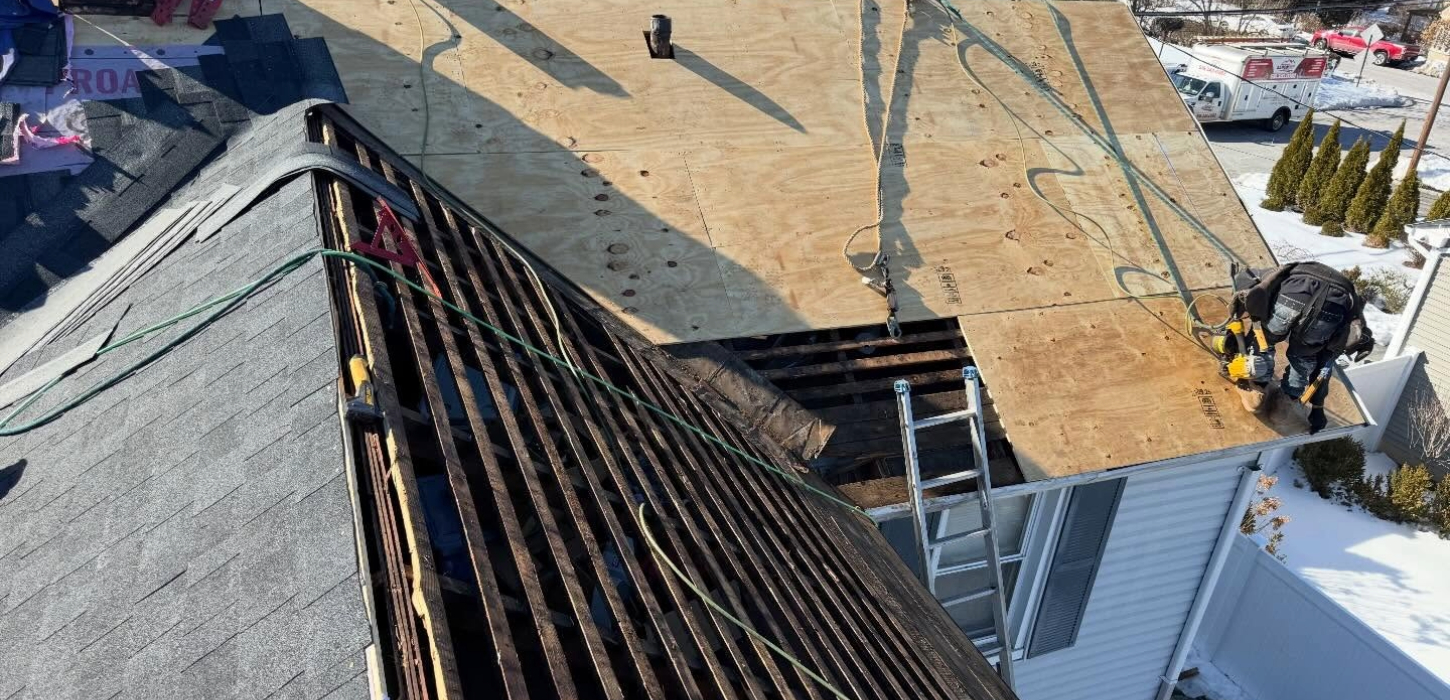
- Ice dams: when heat escapes through the attic and refreezes at the cold eaves, water backs up under shingles and infiltrates the decking
- High summer UV exposure: Long Island’s coastal reflectivity accelerates asphalt oxidation and granule loss
- Storm wind uplift: nor’easters create sustained wind loads that stress shingle tabs and ridge caps
Signs you need a new roof often appear 3 to 5 years earlier than homeowners expect in Nassau County communities close to the shore, because coastal properties absorb more cumulative stress than the same roof on a home 20 miles inland.
Signs Your Roof Is Reaching the End of Its Life
What is the lifespan of a roof becomes a practical question when specific warning signs appear. Knowing how to read these signs helps homeowners plan a replacement before a leak becomes a structural problem. What is the lifespan of a roof in practical terms is the point at which these signals appear consistently rather than after isolated events.
- Granule loss in gutters: shingles are losing their UV-protective coating
- Curling or cupping shingles: shingles have lost moisture balance and are no longer sealing properly
- Dark streaking or moss growth: algae retain moisture against the shingle surface, accelerating granule loss
- Visible light through the attic: the roof system has failed at some level
- Water stains on ceilings: interior intrusion indicates the underlayment has failed, not just surface shingles
- Missing shingles after wind events: adhesion failure on a mid-life roof
Seeing any of these warning signs? Schedule a free roof inspection with Aaron Roofing Corp. We document every issue with photos and give you an honest recommendation at no cost.
When to Repair vs. When to Replace
What is the lifespan of a roof matters most when deciding between repair and replacement. What is the lifespan of a roof after a major repair is also a factor: patching a 22-year-old roof typically produces 2 to 5 more years of functional life, while a full replacement resets the clock to 25 years or more. The most useful rule of thumb: if repair costs approach 50% of replacement cost on a roof past 15 years, replacement is nearly always the better financial decision.
- Repair makes sense when: the roof is under 15 years old, damage is isolated, and the repair cost is under 25% of replacement cost
- Replacement makes sense when: the roof is over 20 years, multiple sections are failing, or repair quotes exceed $3,500 without remaining warranty coverage
- Storm damage is the exception: insurance-covered replacement can make sense regardless of age if the carrier approves a full replacement claim
How long does a roof last after a major repair is also a factor. Patching a 22-year-old shingle roof typically produces 2 to 5 more years of functional life, while a full replacement resets the clock to 25 years or more. The math almost always favors replacement once a roof passes 18 to 20 years. Explore our roof repair services to see how we evaluate each case. What is the lifespan of a roof after repair is always discussed before any recommendation is made.
How to Extend the Lifespan of Your Roof
What is the lifespan of a roof is not entirely fixed at installation. Proper maintenance extends a shingle roof by 3 to 7 years in Long Island conditions and prevents secondary damage that turns a roofing problem into a structural repair.
- Annual professional inspection: catches flashing failures and granule loss before they become water damage
- Gutter cleaning twice per year: clogged gutters force water under eave shingles and create ice dam conditions
- Attic ventilation maintenance: proper airflow reduces heat buildup that cooks shingles from below
- Prompt repair of small leaks: water reaching the decking creates soft spots, mold, and structural rot
- Tree trimming: overhanging branches deposit debris, shade promotes moss, and contact branches abrade shingle surfaces
According to the U.S. Department of Energy, proper attic ventilation is one of the most impactful factors in roof lifespan, since an overheated attic bakes the underside of shingles and can reduce warranty life by 20 to 30 percent.
Material Lifespan Comparison Table
| Material | NY Lifespan | Best For | Cost Tier |
|---|---|---|---|
| Three-Tab Asphalt | 15-20 years | Budget replacement | Low |
| Architectural Asphalt | 22-28 years | Most Long Island homes | Mid |
| Impact-Resistant Shingle | 25-30+ years | Coastal, storm-prone areas | Mid-High |
| Metal (Standing Seam) | 40-50 years | Premium / coastal homes | High |
| Flat (TPO/EPDM) | 15-25 years | Flat roof sections | Mid |
| Natural Slate | 75-100+ years | Historic / estate homes | Very High |
Frequently Asked Questions
What is the lifespan of a roof with architectural shingles in Nassau County?
Architectural shingles in Nassau County typically last 22 to 28 years with proper ventilation and maintenance. Coastal proximity can reduce that range by 2 to 4 years.
How do I know if my roof is past its lifespan without climbing up?
Signs visible from the ground include shingle curling, dark streaking from algae, granules in the gutters after rain, and sagging along the ridgeline. A professional inspection gives a definitive answer.
Does a new roof increase home value on Long Island?
Yes, a new roof is one of the highest-return exterior improvements for Long Island homes, typically returning 60 to 70 percent of its cost in added home value and significantly improving inspection results.
What happens if I wait too long to replace an aging roof?
Water reaching the decking creates soft spots, mold, and structural rot. What begins as a shingle replacement can become a shingle, decking, and insulation replacement, significantly increasing total project cost.
Does Aaron Roofing Corp offer free inspections for older roofs in Nassau County?
Yes, Aaron Roofing Corp provides free roof inspections across Nassau County with photos and a written report giving honest repair or replacement recommendations based on the roof’s actual condition.
Conclusion
What is the lifespan of a roof in New York depends on material, installation quality, maintenance, and your home’s specific local conditions. For most Long Island homeowners with architectural asphalt shingles, what is the lifespan of a roof comes out to 22 to 28 years with good care, and 15 to 20 years if the original installation had ventilation issues or the roof has been neglected. The earlier you understand where your roof stands in its lifecycle, the more control you have over the timing and cost of what is the lifespan of a roof’s final years. Aaron Roofing Corp serves Nassau and Suffolk County with free inspections, honest recommendations, and full roof replacement and roof repair services built for Long Island’s climate. Schedule your free inspection today or call 516-343-0382 to find out exactly where your roof stands.