How Long Does a Flat Roof Last
If you own a home or commercial building in Long Island with a flat roof, one of the most important questions you need to answer is how long does a flat roof last. The lifespan of your flat roof depends on the material installed, the quality of the installation, your local climate conditions, and how well you maintain it over the years. Knowing how long does a flat roof last helps you plan ahead financially and avoid the kind of surprise failures that lead to expensive water damage inside your property.
Aaron Roofing Corp has installed and maintained hundreds of flat roofs across Nassau County and Long Island. In this guide, we break down the expected lifespan of every major flat roofing material, explain the factors that shorten or extend that lifespan, and share the maintenance steps that can add years to your roof. Whether you have a TPO membrane, EPDM rubber roof, modified bitumen system, or built-up roof, understanding how long does a flat roof last puts you in control of your property’s future.
Understanding How Long Does a Flat Roof Last by Material Type
The single biggest factor in how long does a flat roof last is the material your contractor installs. Each flat roofing material has a different chemical composition, UV resistance level, and durability profile. Choosing the right material for your specific building and budget is the first step toward maximizing your roof’s lifespan. Here is a detailed breakdown of each major flat roofing material and its expected service life in the Long Island climate.
TPO Roofing Lifespan. 20 to 30 Years
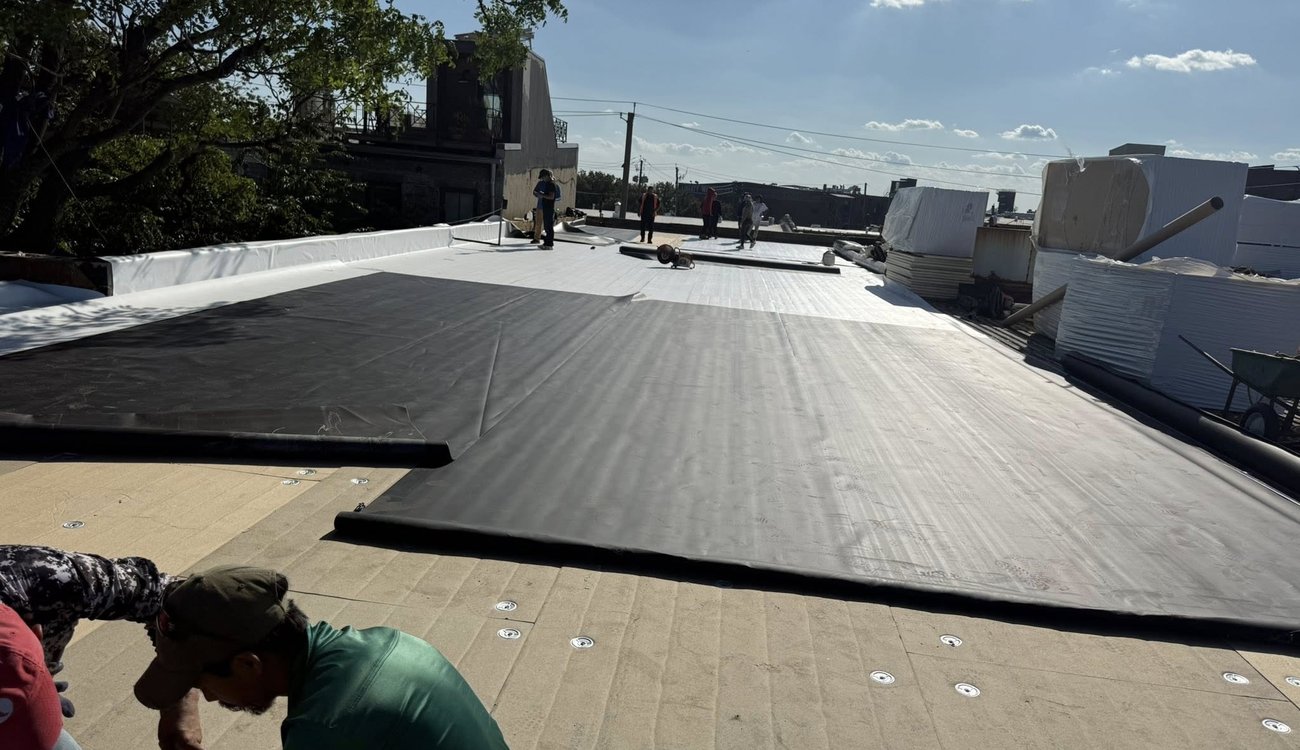
Thermoplastic polyolefin, commonly known as TPO, is one of the most popular flat roofing materials installed today. When homeowners ask how long does a flat roof last with TPO, the answer is typically 20 to 30 years with proper installation and maintenance. TPO membranes are heat-welded at the seams, creating a watertight bond that resists leaks far better than adhesive-based systems.
TPO roofing gained popularity because of its energy efficiency. The white reflective surface qualifies as Energy Star rated roofing, bouncing sunlight away from the building and reducing cooling costs during Long Island’s hot summers. This reflective property also protects the membrane itself from UV degradation, which is one of the primary reasons flat roofs fail prematurely. TPO is also resistant to chemical exposure, ozone, and algae growth, making it an excellent choice for both residential and commercial flat roof applications.
The quality of TPO varies significantly between manufacturers and thickness options. A 60-mil TPO membrane will generally outlast a 45-mil membrane by several years. Aaron Roofing Corp installs premium-grade TPO from trusted manufacturers to ensure our clients get the full 20 to 30 year lifespan from their flat roof investment. You can learn more about TPO and other options in our flat roof materials guide.
EPDM Rubber Roofing Lifespan. 25 to 30 Years
EPDM, or ethylene propylene diene monomer, is a synthetic rubber membrane that has been used on flat roofs for over 50 years. How long does a flat roof last with EPDM is one of the most common questions we receive because this material has one of the longest track records in the industry. A properly installed EPDM roof can last 25 to 30 years, and some well-maintained installations have exceeded 40 years.
EPDM is valued for its exceptional durability and flexibility. According to the National Roofing Contractors Association, EPDM remains one of the most widely installed single-ply membranes in North America. The rubber membrane can stretch and contract with temperature changes without cracking or splitting, which is critical in Nassau County where temperatures can swing from below freezing in winter to over 95 degrees in summer. EPDM is also highly resistant to UV radiation and ozone exposure, two of the biggest threats to flat roof longevity.
One consideration with EPDM is the seam method. Older EPDM installations used adhesive tape for seams, which can fail over time and create leak points. Modern EPDM installation techniques use liquid-applied adhesives and cover strips that create much more reliable seams. If your EPDM roof is experiencing seam failures, that does not necessarily mean the membrane itself has failed. Aaron Roofing Corp can evaluate whether seam repairs will extend your roof’s life or whether a full replacement is more cost-effective.
Modified Bitumen Lifespan. 15 to 20 Years
Modified bitumen is an asphalt-based flat roofing system that comes in rolls applied with heat, cold adhesive, or self-adhering backing. When property owners ask how long does a flat roof last with modified bitumen, the typical answer is 15 to 20 years. This shorter lifespan compared to TPO and EPDM reflects the material’s composition. Asphalt-based products naturally degrade faster under UV exposure than synthetic membranes.
Despite the shorter answer to how long does a flat roof last with this material, modified bitumen remains popular for several reasons. It provides excellent waterproofing when installed in multiple layers. The granulated surface cap sheet adds fire resistance and some UV protection. Installation is straightforward for experienced contractors, and repairs are simple and cost-effective. For budget-conscious property owners who plan to sell within 15 years, modified bitumen offers reliable protection at a lower upfront cost.
The key to maximizing the lifespan of a modified bitumen flat roof is professional installation and a commitment to regular maintenance. Ponding water, which is standing water that remains on the roof more than 48 hours after rain, is the number one enemy of modified bitumen. Proper drainage design during installation prevents ponding and helps the roof reach its full expected lifespan.
PVC Roofing Lifespan. 20 to 30 Years
Polyvinyl chloride, or PVC, is a premium flat roofing material known for its chemical resistance and long service life. How long does a flat roof last with PVC is typically 20 to 30 years, comparable to TPO but with some additional advantages. PVC membranes are heat-welded like TPO, creating permanent seam bonds that actually become stronger than the membrane itself over time.
PVC roofing is particularly popular for buildings exposed to grease, oils, or chemical vapors. Restaurants, commercial kitchens, and industrial facilities often choose PVC because it resists chemical damage that would deteriorate other membrane types. For residential flat roofs on Long Island, PVC offers the same weather resistance and energy efficiency as TPO with slightly better long-term performance in most independent studies.
The higher upfront cost of PVC compared to other flat roofing options is offset by its longevity and lower maintenance requirements. When you factor in the cost per year of service, PVC often becomes the most economical choice for how long does a flat roof last. Aaron Roofing Corp can help you compare materials and choose the best option for your specific building and budget.
Built-Up Roofing (BUR) Lifespan. 15 to 30 Years
Built-up roofing, commonly called BUR or tar and gravel roofing, is the oldest flat roofing system still in use today. How long does a flat roof last with BUR depends heavily on the number of layers installed. A three-ply BUR system typically lasts 15 to 20 years, while a four or five-ply system can last 25 to 30 years. The multiple layers of asphalt and reinforcing fabric create a thick, durable waterproof barrier.
The gravel surface on a BUR roof provides excellent protection against UV rays, foot traffic, and hail damage. This makes BUR a good choice for flat roofs that need to support rooftop equipment, HVAC units, or regular maintenance access. However, BUR is heavier than single-ply membrane systems, and the installation process requires hot asphalt application, which limits the contractors qualified to install it properly.
| Flat Roof Material | Expected Lifespan | Average Cost per Sq Ft | Best For |
|---|---|---|---|
| TPO | 20 to 30 years | $5.50 to $8.50 | Energy efficiency, residential |
| EPDM | 25 to 30 years | $4.50 to $7.50 | Proven durability, flexibility |
| Modified Bitumen | 15 to 20 years | $4.00 to $6.50 | Budget-friendly, easy repairs |
| PVC | 20 to 30 years | $6.50 to $10.00 | Chemical resistance, premium |
| Built-Up (BUR) | 15 to 30 years | $5.00 to $8.00 | Heavy-duty, foot traffic areas |
5 Factors That Affect How Long Does a Flat Roof Last
Even with the best material, several environmental and maintenance factors determine whether your flat roof reaches the low end or high end of its expected lifespan. Understanding these factors helps you take proactive steps to maximize how long does a flat roof last on your specific property.
Factor 1. Installation Quality
The single most important factor in how long does a flat roof last is the quality of the original installation. A premium material installed incorrectly will fail years before a standard material installed by experienced professionals. Seam integrity, proper flashing around penetrations, correct adhesion methods, and adequate drainage slope are all installation details that directly determine roof longevity.
Always choose a licensed and insured roofing contractor with specific flat roof experience for your installation. Flat roofing is a specialty that requires different skills and knowledge than pitched residential roofing. Aaron Roofing Corp’s team has extensive training and experience with every major flat roofing system. You can verify our credentials and learn about our installation process on our website.
Factor 2. Drainage and Ponding Water
Proper drainage is critical to how long does a flat roof last. Despite the name, flat roofs are not perfectly flat. They should have a slight slope, typically a quarter inch per foot, to direct water toward drains, scuppers, or gutters. When this slope is insufficient or drains become clogged, water ponds on the roof surface. Standing water accelerates membrane deterioration, adds structural weight, and creates conditions for algae and vegetation growth.
Ponding water is defined as water that remains on the roof surface more than 48 hours after rainfall stops. If you notice persistent puddles on your flat roof, contact a roofing professional to evaluate the drainage system. Solutions range from clearing clogged drains to installing tapered insulation that creates proper slope. Addressing ponding water early is one of the most effective ways to extend how long does a flat roof last.
Factor 3. Climate and Weather Exposure
Long Island’s climate presents specific challenges for flat roofs. The combination of hot, humid summers, freezing winters, coastal salt air, and frequent nor’easters creates a demanding environment. UV radiation during summer months breaks down roofing materials at the molecular level. Freeze-thaw cycles cause materials to expand and contract repeatedly, which stresses seams and flashings. High winds can lift membrane edges and allow water infiltration beneath the roof surface.
These climate factors are why how long does a flat roof last in Nassau County may differ from the manufacturer’s general estimates, which are often based on moderate climate conditions. Choosing materials rated for your specific climate zone and ensuring proper installation techniques for coastal environments helps your roof withstand Long Island’s weather patterns. Our roof maintenance tips for Long Island provide specific guidance for protecting your roof against local weather conditions.
Factor 4. Regular Maintenance and Inspections
Regular maintenance is the most controllable factor in how long does a flat roof last. A flat roof that receives professional inspections twice per year and prompt repairs when issues are found will consistently outlast an identical roof that is neglected. Maintenance tasks include clearing drains and gutters, removing debris, checking seams and flashings, inspecting around rooftop equipment, and addressing minor damage before it spreads.
Many flat roof warranties require documented regular maintenance to remain valid. Skipping maintenance not only shortens your roof’s life but can also void your warranty coverage when you need it most. Working with a qualified contractor for regular maintenance helps keep your flat roof in optimal condition and maintain your warranty compliance. Contact Aaron Roofing Corp to discuss maintenance options for your flat roof.
Factor 5. Roof Traffic and Mechanical Damage
Flat roofs are more accessible than pitched roofs, which means they receive more foot traffic from HVAC technicians, antenna installers, window cleaners, and property owners. Every time someone walks on a flat roof, there is potential for membrane damage. Dropped tools, dragged equipment, and improper foot placement can puncture or tear the membrane, creating leak points that shorten how long does a flat roof last.
Mechanical damage is an often overlooked factor in how long does a flat roof last. If your flat roof requires regular access, consider installing walk pads or designated walkway systems that protect the membrane underneath. Keep rooftop equipment on proper supports that distribute weight evenly and prevent point loading. These relatively inexpensive precautions can add years to your flat roof’s service life.
Signs Your Flat Roof Is Reaching the End of Its Life
Knowing how long does a flat roof last in general terms is helpful, but recognizing the specific signs of deterioration on your own roof is equally important. Here are the warning signs that indicate your flat roof may need replacement regardless of its age.
Regardless of how long does a flat roof last on paper, real-world deterioration shows specific patterns. Blistering or bubbling on the membrane surface indicates moisture trapped beneath the roofing material. Small blisters can be repaired, but widespread blistering suggests the membrane adhesion has failed across a large area. Cracking or alligator patterns on modified bitumen or BUR surfaces mean the asphalt has lost its flexibility and can no longer expand and contract with temperature changes. These cracks allow water to penetrate to the substrate below.
Membrane shrinkage is a common issue with older EPDM installations. As the rubber ages, it contracts and pulls away from edges, flashings, and penetrations. This creates gaps where water can enter the building. Persistent leaks that recur after repeated repairs are often a sign that the membrane has deteriorated beyond the point where individual repairs are effective. When repairs become frequent and costly, replacement becomes the smarter financial decision. Learn more about evaluating your roof’s condition in our guide on roof lifespan.
How to Extend How Long Does a Flat Roof Last
Taking proactive steps can help extend your flat roof’s service life significantly. Start with a professional inspection from a contractor experienced with your specific roof type. They can identify early-stage problems and recommend targeted interventions before small issues become major failures.
These proven strategies directly impact how long does a flat roof last on your property. Apply reflective coatings to non-white membranes to reduce UV damage and lower cooling costs. Keep all drains, scuppers, and gutters clear of debris. Trim overhanging tree branches that drop leaves and branches onto the roof surface. Address any ponding water issues promptly. Schedule professional inspections at least twice per year, ideally in spring and fall.
Consider a roof restoration system when your flat roof shows early signs of aging but the membrane is still structurally sound. Restoration involves cleaning the existing membrane, repairing any damaged areas, and applying a new protective coating over the entire surface. This may help extend how long does a flat roof last at a lower cost than a full replacement. Aaron Roofing Corp can help you evaluate whether restoration or full replacement makes more sense for each individual roof.
Frequently Asked Questions
How long does a flat roof last compared to a pitched roof?
A flat roof typically lasts 15 to 30 years depending on the material, while a pitched roof with asphalt architectural shingles lasts 25 to 30 years. Premium pitched roof materials like slate or metal can last 50 years or more. However, modern flat roof materials like TPO and PVC are closing the gap, especially with proper maintenance and professional installation.
How long does a flat roof last without maintenance?
A flat roof without regular maintenance is likely to fall well short of its expected lifespan. Clogged drains cause ponding water, minor membrane damage goes unrepaired and spreads, and seam failures are not caught early. Regular professional inspections and maintenance are essential to reaching the full expected lifespan of any flat roofing material.
Can I extend how long does a flat roof last with a coating?
Yes, applying a reflective roof coating to an existing flat roof may help extend its useful life. The coating provides additional UV protection, improves waterproofing, and reduces thermal stress on the membrane. Coatings work best when applied to roofs that are aging but still structurally sound, not roofs that are already failing.
How long does a flat roof last in cold climates like Long Island?
In Long Island’s climate with freeze-thaw cycles, coastal humidity, and nor’easters, flat roofs may reach the lower to middle range of their expected lifespan without proper maintenance. TPO and EPDM perform well in cold climates because they remain flexible at low temperatures. Modified bitumen can become brittle in extreme cold, potentially shortening its useful life.
What is the most durable flat roofing material for Long Island?
EPDM and PVC are generally the most durable flat roofing materials for Long Island conditions. EPDM’s rubber composition handles temperature extremes exceptionally well, while PVC offers superior chemical resistance and heat-welded seams. Both materials regularly achieve 25 to 30 years or more with professional installation and maintenance from contractors like Aaron Roofing Corp.
How do I know if my flat roof needs replacement or just repairs?
If your flat roof has isolated damage like a single puncture or localized seam failure, repairs are usually sufficient. When you see widespread blistering, membrane shrinkage, multiple leak points, or the roof has exceeded 75 percent of its expected lifespan, replacement is typically more cost-effective. Aaron Roofing Corp provides free inspections that include a clear repair-versus-replacement recommendation.
Conclusion
Understanding how long does a flat roof last is essential for every Long Island property owner with a flat or low-slope roof. The answer ranges from 15 to 30 years depending on your material, installation quality, maintenance habits, and local climate conditions. TPO and PVC offer 20 to 30 years of reliable protection, EPDM rubber roofs can last 25 to 30 years or more, modified bitumen provides 15 to 20 years of service, and built-up roofing systems range from 15 to 30 years based on the number of plies.
The key to maximizing how long does a flat roof last is choosing the right material for your building, hiring an experienced licensed contractor for installation, maintaining proper drainage, and committing to regular professional maintenance. These steps can add years to your roof’s life and save you thousands of dollars in premature replacement costs.