Chimney Flashing Repair in Suffolk County: Signs It’s Failing and How to Fix It
Flashing repair is one of the most important roof repairs for Long Island homeowners because flashing protects the areas where water is most likely to enter. Chimneys, roof valleys, skylights, vents, and wall transitions all rely on properly installed flashing to move water away from vulnerable joints. When flashing fails, a small leak can turn into roof deck damage, insulation problems, ceiling stains, and mold concerns. This guide explains what flashing does, why chimney flashing fails, warning signs to watch for, and when Aaron Roofing Corp recommends repair or full replacement.
Quick Answer
Flashing repair is needed when metal flashing around a chimney, wall, valley, skylight, or roof penetration becomes loose, rusted, cracked, bent, or poorly sealed. On Long Island, chimney flashing often fails because freeze-thaw cycles, age, salt air, and old sealant break down the waterproof connection between the roof and masonry.
What Is Roof Flashing
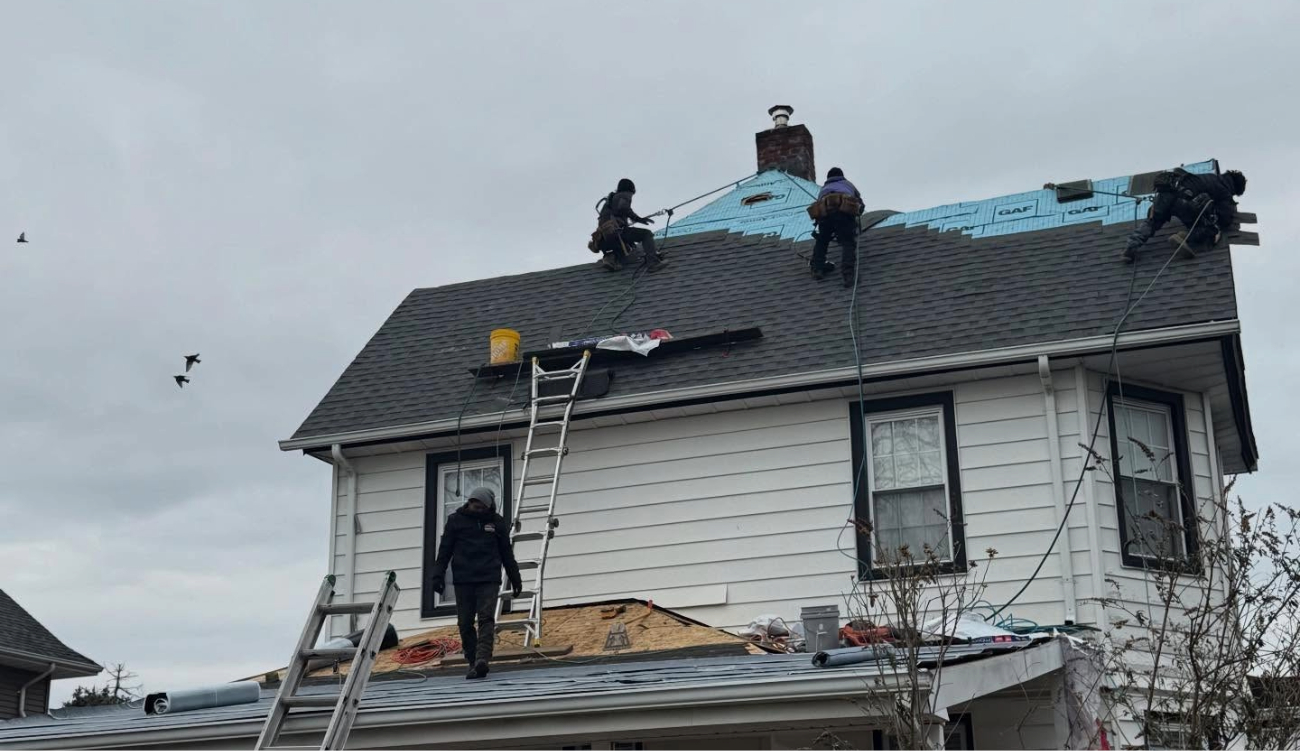
Flashing repair starts with understanding what flashing does. Roof flashing is the metal waterproofing system installed wherever shingles alone cannot fully protect a joint. At chimneys, flashing seals the connection between masonry and roofing. At valleys, flashing handles concentrated water flow. Around vents and skylights, flashing keeps water from entering around openings.
Chimney flashing is especially important because it sits where two very different materials meet: the roof surface and the chimney masonry. That joint naturally moves, expands, contracts, and receives heavy water exposure during rain and snow. Without strong flashing, water has a direct path into the roof system.
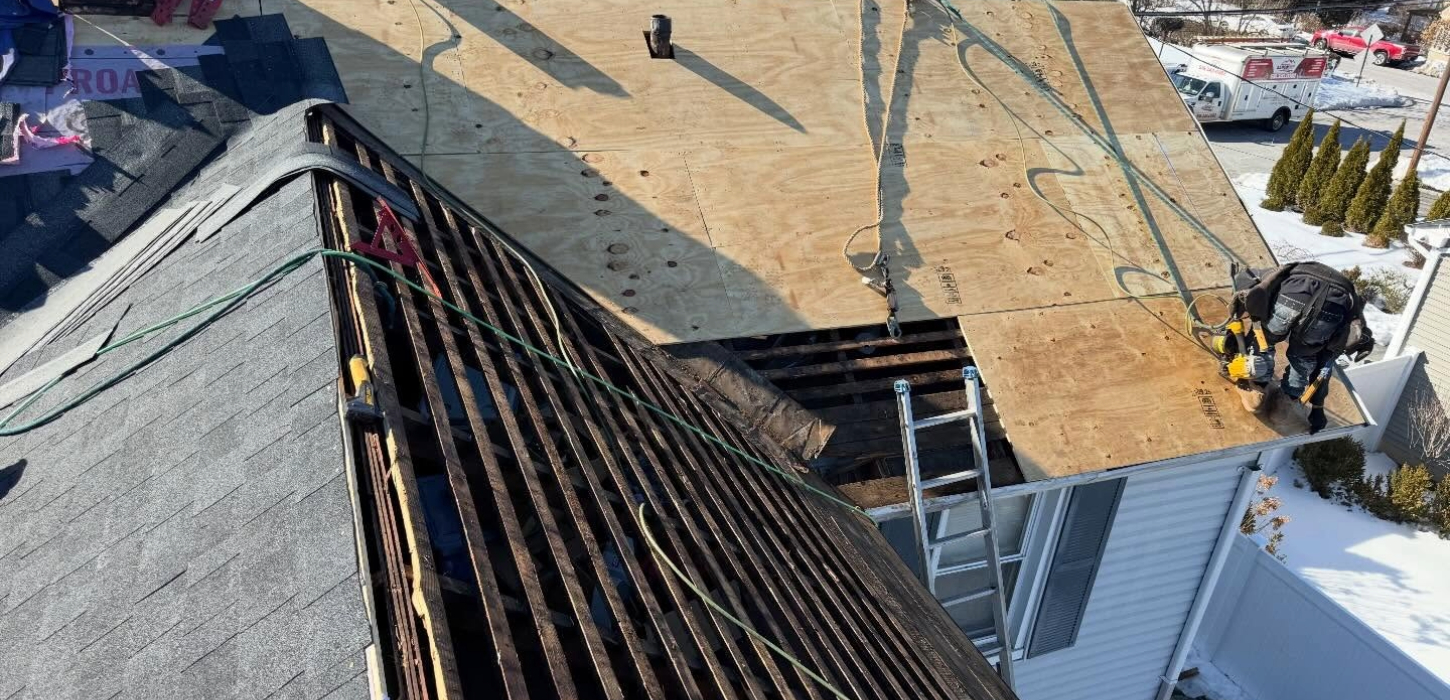
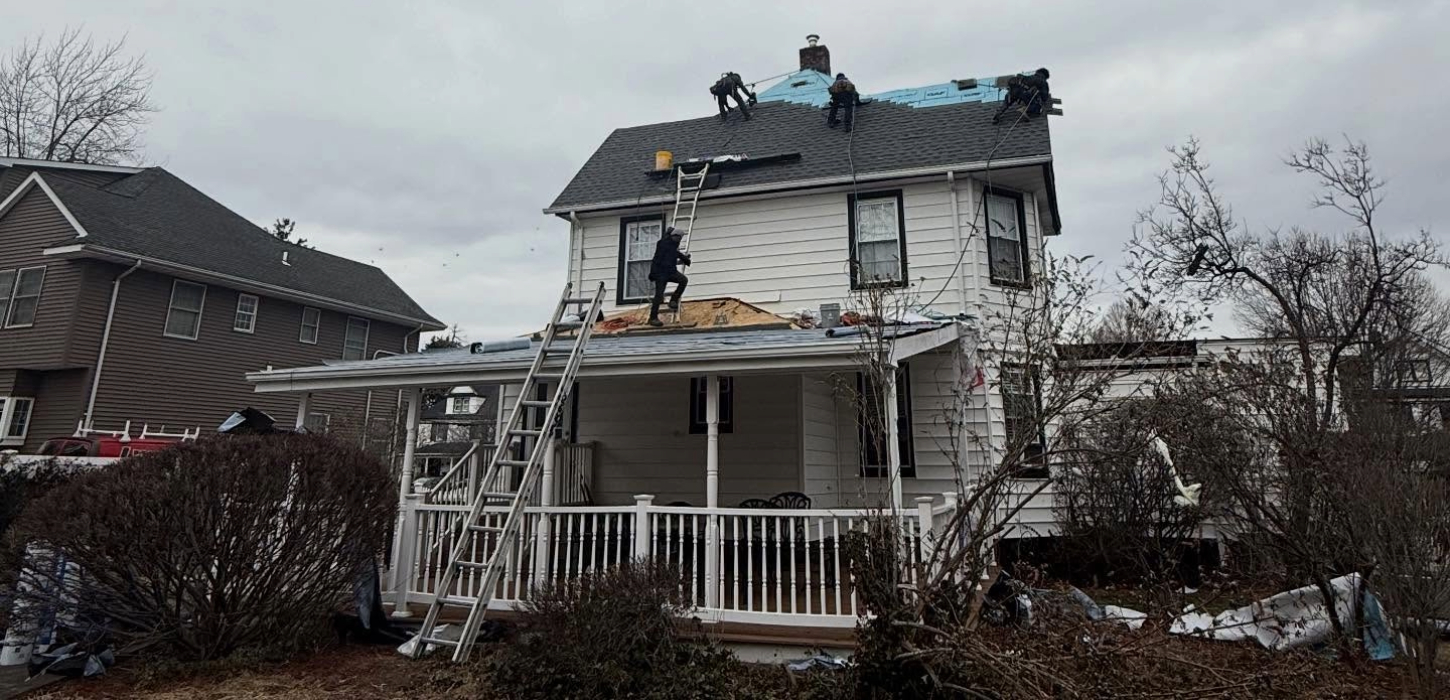
Aaron Roofing Corp provides roof repair services on Long Island for leaks, damaged shingles, flashing issues, and storm-related roofing problems.
Why Flashing Repair Is Common on Long Island
Flashing repair is common on Long Island because the climate is hard on roof transitions. Winter freeze-thaw cycles cause metal, masonry, and sealants to expand and contract. Over time, that movement can loosen fasteners, crack sealant, open gaps, and weaken mortar joints.
Age is another major factor. Galvanized steel flashing can perform well for many years, but it does not last forever. Homes near coastal areas may experience faster corrosion because salt air can shorten the service life of exposed metal. Once corrosion starts, the flashing becomes weaker and leaks are more likely.
For general water damage and moisture awareness, the EPA’s guide to mold, moisture, and your home is a helpful resource for understanding why water intrusion should be addressed early.
Warning Signs You Need Flashing Repair
Flashing repair should be scheduled quickly when signs of water entry appear near a chimney, skylight, vent, or roof wall. Water stains near a fireplace or ceiling corner are common warning signs, but the stain may not appear directly below the flashing failure. Water can travel along rafters, insulation, and ceiling joists before showing inside the home.
| Warning Sign | What It May Mean | Urgency |
|---|---|---|
| Ceiling stain near chimney | Active or recent water intrusion | High |
| Rust on flashing | Metal corrosion | Medium to high |
| Cracked sealant | Waterproofing has weakened | High |
| Visible gaps | Water entry path is open | Immediate |
| Musty smell near fireplace wall | Repeated moisture exposure | High |
Types of Chimney Flashing
Flashing repair may involve one or several types of chimney flashing. Step flashing is installed along the sides of the chimney and is woven with the shingle courses. Counter flashing is installed into the chimney mortar and laps over the step flashing. Base flashing seals the front of the chimney, while a cricket or saddle flashing may be used behind wider chimneys to divert water around the chimney.
If one part fails, the entire system should be inspected. Adding caulk to one visible gap may not solve the problem if counter flashing has pulled loose or if step flashing below the shingles has failed.
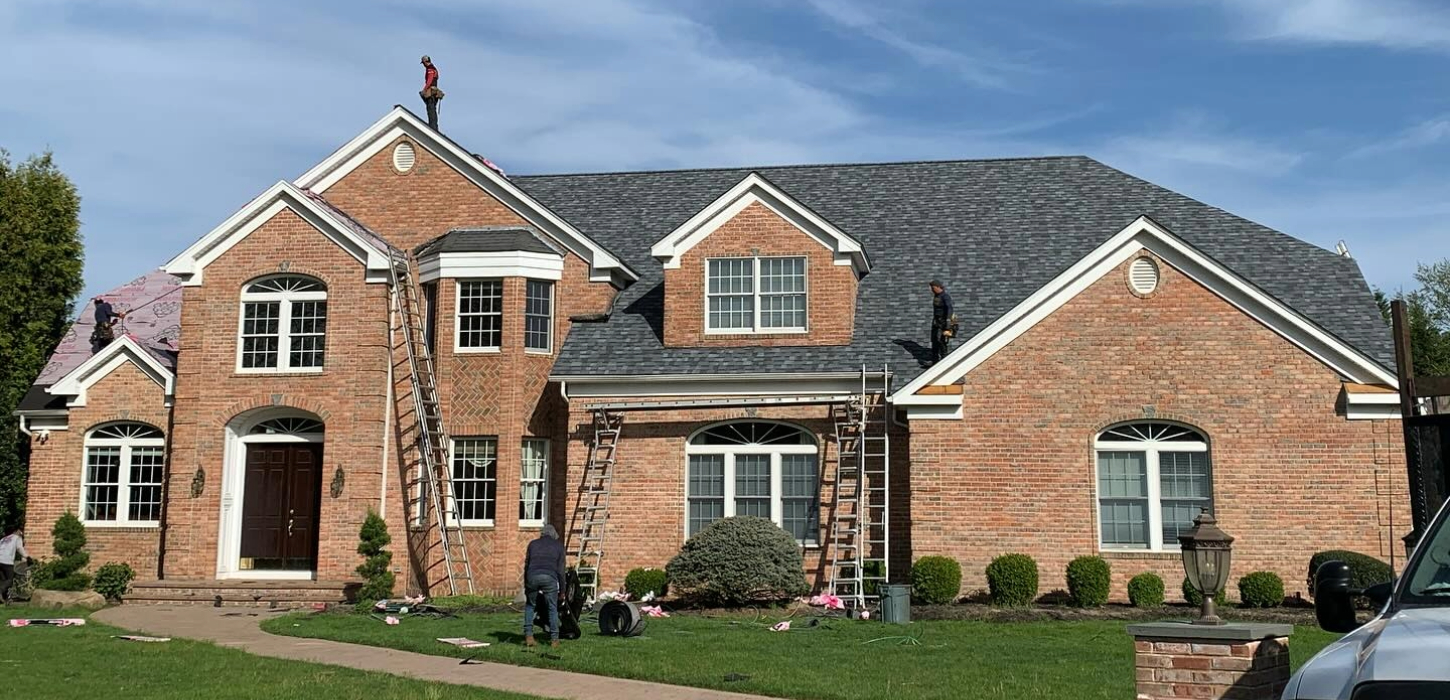
Aaron Roofing Corp also provides roof replacement services when flashing issues are part of a larger roof system nearing the end of its service life.
Flashing Repair vs. Full Replacement
Flashing repair makes sense when the metal is still in good condition and the problem is limited to small gaps, failed sealant, or one loose section. Full replacement is often better when flashing is rusted, bent, cracked, installed incorrectly, or patched repeatedly with layers of sealant.
If the flashing system is more than 20 years old and showing multiple problems, replacement may be the better long-term solution. A repair should not simply hide the leak. It should restore the drainage path and waterproofing detail.
How Professional Flashing Repair Works
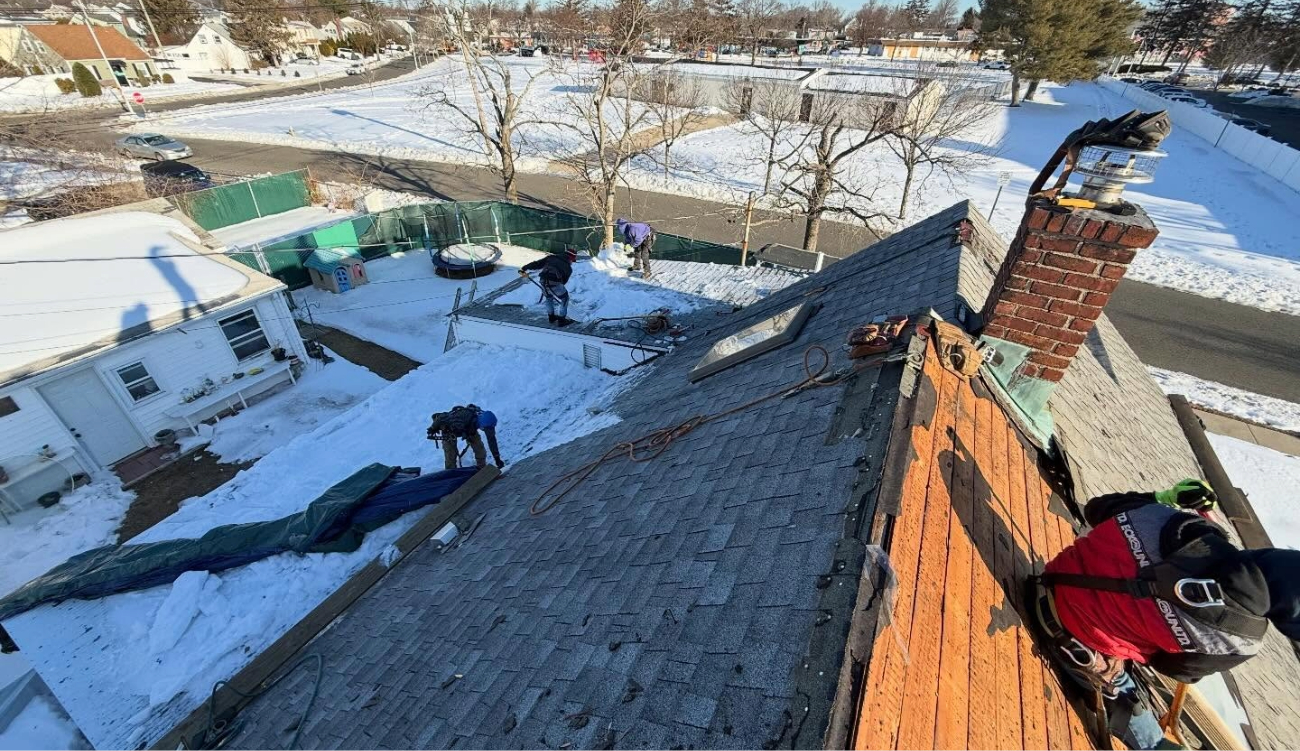
A proper flashing repair starts with inspection. The contractor checks all sides of the chimney or roof transition, the surrounding shingles, mortar joints, sealant, flashing metal, roof deck signs, and interior staining when visible.
For resealing work, old cracked sealant should be removed before new roofing-grade sealant is applied. For counter flashing issues, deteriorated mortar may need to be repaired before the flashing is reset. For step flashing problems, shingles may need to be lifted or removed so damaged flashing can be corrected properly.
To request a free inspection, homeowners can use the Aaron Roofing Corp contact page.
Best Flashing Materials for Long Island
Flashing repair material choice affects long-term performance. Galvanized steel is common and cost-effective. Aluminum offers corrosion resistance in many applications. Copper is more expensive but can last much longer. Stainless steel can be a strong choice in coastal areas because of corrosion resistance.
For many homes, the right choice depends on budget, roof type, chimney condition, and exposure. Near salt air, better corrosion resistance can be worth the added cost.
Frequently Asked Questions
How often should chimney flashing be inspected?
Chimney flashing should be inspected at least once a year, especially before winter and after harsh freeze-thaw weather.
Can flashing be repaired without replacing shingles?
Sometimes, yes. If the surrounding shingles are flexible and in good condition, a contractor may be able to repair flashing without replacing a large roof area.
What is the difference between step flashing and counter flashing?
Step flashing is installed with the shingles along the chimney sides. Counter flashing is embedded into the chimney masonry and covers the step flashing.
Does insurance cover flashing repair?
Insurance may cover sudden storm damage, but age, wear, corrosion, or poor maintenance are usually not covered.
How long does flashing repair take?
Many flashing repairs can be completed in a few hours, while full chimney flashing replacement may take most of a day depending on the chimney size and condition.
Conclusion
Flashing repair protects the most leak-prone areas of your roof. When flashing fails, water can move into the roof deck, insulation, ceilings, and walls before the issue becomes obvious. Early inspection and proper repair can prevent larger damage.
Aaron Roofing Corp serves homeowners across Suffolk and Nassau counties with roof repair, roof replacement, flashing work, flat roofing, siding, gutters, and free inspections. To schedule service, visit the Aaron Roofing Corp contact page or call 516-343-0382.