How to Tell If You Need a Roof Replacement
Every Long Island homeowner eventually faces the same question. How to tell if you need a roof replacement before a small problem turns into a costly emergency. Your roof protects everything inside your home, and ignoring the warning signs can lead to water damage, mold growth, and thousands of dollars in structural repairs. The good news is that learning how to tell if you need a roof replacement does not require professional training. You can spot most of these roof replacement signs yourself with a careful visual inspection from the ground, inside your attic, and around your gutters.
Aaron Roofing Corp has helped hundreds of Nassau County homeowners answer this exact question. In this guide, we walk you through the 7 most reliable roof replacement signs that indicate your roof has reached the end of its useful life. Whether your roof is 15 years old or you recently survived a major storm, knowing how to tell if you need a roof replacement can save you from emergency repairs and give you time to plan your budget properly.
Why Knowing How to Tell If You Need a Roof Replacement Matters
A full roof replacement in Nassau County costs between $8,000 and $25,000 depending on the size of your home and the materials you choose. That is a significant investment, and no homeowner wants to spend that money before it is truly necessary. At the same time, waiting too long can cause far more expensive damage to your attic insulation, drywall, electrical wiring, and even your home’s structural framing.
Understanding how to tell if you need a roof replacement puts you in control of the timeline. You can schedule the project during a season that works for your family and your budget. You can compare quotes from licensed contractors without the pressure of an active leak forcing a rushed decision. And you can take advantage of manufacturer promotions on premium shingle lines like GAF Timberline HDZ or Owens Corning Duration when the timing is right.
Learning how to tell if you need a roof replacement also protects your home insurance coverage. Many policies require homeowners to maintain their roofs in reasonable condition. If an adjuster determines that storm damage occurred on a roof that was already deteriorated, your claim could be denied or significantly reduced. Regular self-inspections help you document your roof’s condition and make timely decisions.
Sign 1. Curling, Cracking, or Missing Shingles
The first and most visible way to tell if you need a roof replacement is by examining your shingles from the ground. Walk around your property and look up at every slope of your roof. Healthy shingles should lay flat against the roof deck with uniform color and no visible gaps. When shingles start curling at the edges, cracking down the middle, or going missing entirely, your roof is telling you that its protective barrier is failing.
When Nassau County homeowners ask how to tell if you need a roof replacement, damaged shingles are usually the first thing we point to. Curling happens in two ways. Cupping is when the edges turn upward while the center stays flat. Clawing is when the center pushes up while the edges stay down. Both types mean the shingles have lost their flexibility and can no longer seal out water effectively. In Nassau County, our freeze-thaw cycles and coastal humidity accelerate this deterioration. If a significant portion of your shingles show curling or cracking, that is a strong indicator of how to tell if you need a roof replacement rather than a simple repair.
Missing shingles are another clear sign of how to tell if you need a roof replacement and are even more urgent. Every missing shingle exposes the underlayment and roof deck to direct rain, wind, and UV damage. A few missing shingles after a storm can be repaired individually, but widespread loss across multiple areas of your roof means the adhesive strips have failed and the entire roof system is compromised.
Sign 2. Granule Loss in Your Gutters
Asphalt shingles are coated with ceramic granules that protect the underlying asphalt from UV rays and add fire resistance. Over time, these granules wear away naturally. However, excessive granule loss is one of the clearest ways to tell if you need a roof replacement. Check your gutters and downspout splash areas after a rainstorm. If you find heavy accumulations of dark, sand-like particles, your shingles are losing their protective coating at an accelerated rate.
Granule buildup in gutters is a proven way to tell if you need a roof replacement in the near future. New roofs shed a small number of granules during their first year, and that is completely normal. But if your roof is more than 10 years old and you are consistently finding large amounts of granules, the shingles are approaching the end of their effective life. Without their granule coating, shingles deteriorate much faster because the bare asphalt is exposed directly to sunlight and weather. This is a reliable method for how to tell if you need a roof replacement within the next one to three years.
Sign 3. Daylight Visible Through Your Attic Boards
One of the most overlooked steps in learning how to tell if you need a roof replacement is checking your attic. On a sunny day, turn off all the lights in your attic and look up at the underside of the roof deck. If you can see pinpoints of daylight coming through the boards, that means water can get through those same gaps. This inspection takes about 10 minutes and can reveal problems that are invisible from the outside.
While you are in the attic, look for dark stains or streaks on the wood. These indicate past or active water penetration. Check the insulation for wet spots or discoloration. Feel the wood around roof penetrations like vent pipes, exhaust fans, and chimney surrounds. Soft or spongy wood means moisture has been present long enough to start rot, and that is a definitive answer to how to tell if you need a roof replacement. The U.S. Department of Energy recommends regular attic inspections as part of home energy maintenance.
Attic inspections are a critical step in how to tell if you need a roof replacement that many homeowners skip. A well-ventilated attic keeps your roof cooler in summer and prevents ice dams in winter. If you notice excessive heat, condensation, or frost on the underside of the roof deck during cold months, your ventilation system may be contributing to premature roof deterioration. Aaron Roofing Corp evaluates attic ventilation during every free roof inspection in Nassau County because it directly affects roof longevity.
Sign 4. Sagging Roof Deck or Roofline
A sagging roofline is one of the most serious indicators when determining how to tell if you need a roof replacement. Stand across the street from your home and look at the ridge line along the top of your roof. It should be perfectly straight. Any visible dips, waves, or sags indicate structural problems with the roof deck, rafters, or trusses underneath.
A sagging roofline is one of the most urgent answers to how to tell if you need a roof replacement. Sagging can result from prolonged water damage that has weakened the plywood decking. It can also come from inadequate structural support, overloaded roofing materials, or improper installation of a previous roof. Regardless of the cause, a sagging roof is not something you can patch or repair. It requires a full replacement including new decking and potentially reinforced framing. If you notice any sagging, contact a licensed roofing contractor immediately for a professional assessment.
| Warning Sign | Severity Level | Action Required |
|---|---|---|
| Curling or cracking shingles | Moderate | Schedule a professional inspection |
| Granule loss in gutters | Moderate | Monitor and plan for replacement soon |
| Daylight through attic boards | High | Schedule inspection promptly |
| Sagging roof deck | Critical | Call a contractor immediately |
| Water stains on ceilings | High | Schedule inspection promptly |
| Roof age over 20 years | Moderate to High | Get professional assessment |
| Rising energy bills | Low to Moderate | Check attic insulation and ventilation |
Sign 5. Water Stains on Interior Ceilings and Walls
Brown or yellowish water stains on your ceilings and upper walls are one of the most common ways homeowners first learn how to tell if you need a roof replacement. These stains indicate that water is penetrating through your roof system and reaching the interior of your home. While a single stain near a bathroom exhaust vent might be a condensation issue, multiple stains in different rooms almost always point to roof failure.
Water stains are tricky because the leak’s entry point on your roof is rarely directly above the stain. Water travels along rafters, sheathing, and even electrical wires before it drips down to your ceiling. That is why patching the visible stain without addressing the roof problem only leads to more damage. If you have recurring water stains that reappear after painting over them, that is a definitive answer to how to tell if you need a roof replacement.
Active leaks during rainstorms require immediate attention. Place containers to catch the water and contact a roofing professional right away. Even after the rain stops, trapped moisture continues to damage insulation, promote mold growth, and weaken structural components. Aaron Roofing Corp responds to emergency roof leak repair calls across Long Island and can provide temporary solutions while you plan a full replacement.
Sign 6. Your Roof Is Over 20 Years Old
Age alone is one of the most straightforward ways to tell if you need a roof replacement. Most standard three-tab asphalt shingle roofs last 15 to 20 years. Architectural shingles typically last 25 to 30 years. Premium designer shingles can reach 40 years or more with proper maintenance. Roof age is perhaps the simplest way to tell if you need a roof replacement. If you do not know when your roof was last replaced, check your home’s closing documents, previous inspection reports, or contact your municipality’s building department for permit records.
Nassau County’s climate puts additional stress on roofing materials. Our hot, humid summers accelerate granule loss and thermal expansion. Winter freeze-thaw cycles cause shingles to crack and lift. Coastal salt air corrodes metal flashings and fasteners faster than inland environments. These factors mean your roof may reach the end of its useful lifespan sooner than the manufacturer’s estimated warranty period suggests.
If your roof is approaching or has passed the 20-year mark, it is wise to schedule annual professional inspections even if you do not see visible problems from the ground. Many forms of deterioration happen gradually and are only detectable up close. Understanding your roof’s age is a critical part of knowing how to tell if you need a roof replacement before an emergency forces the decision.
Sign 7. Rising Energy Bills Without Explanation
An unexpected increase in your heating or cooling bills can be a subtle indicator that your roof is no longer performing properly. When shingles deteriorate, underlayment breaks down, or attic ventilation fails, your home loses its thermal envelope. Hot air escapes in winter, and heat penetrates in summer, forcing your HVAC system to work harder and run longer.
Energy bills offer a data-driven approach to how to tell if you need a roof replacement. Compare your energy bills from the same months in previous years. If you see a steady upward trend that cannot be explained by rate increases or changes in your usage habits, your roof could be the culprit. This is one of the less obvious ways to tell if you need a roof replacement, but it is worth investigating because a new roof with modern underlayment and proper ventilation can help lower energy costs by improving your home’s thermal performance.
During your free inspection, Aaron Roofing Corp checks attic insulation depth, ventilation airflow, and thermal bridging around roof penetrations. These factors directly impact your energy efficiency and are part of a comprehensive evaluation of how to tell if you need a roof replacement or whether targeted improvements can extend your current roof’s life.
The DIY Roof Inspection Checklist
You do not need to climb on your roof to perform a meaningful self-inspection. In fact, walking on a deteriorating roof can cause additional damage and creates a safety risk. Here is a systematic approach to checking your roof from safe vantage points that will help you determine how to tell if you need a roof replacement.
Start with a ground-level walkabout. Walk the perimeter of your home and look up at every visible roof slope. Use binoculars if needed. Note any missing, curled, cracked, or discolored shingles. Look at the flashings around chimneys, vents, and sidewalls for rust, gaps, or separation. Check that all gutter sections are firmly attached and not pulling away from the fascia board.
Next, move to the interior. Go into your attic with a flashlight and examine the underside of the roof deck. Look for daylight, water stains, mold, or soft wood. Check the insulation for wet spots. Look at the roof ventilation components to make sure soffit vents, ridge vents, or gable vents are clear and functioning.
Finally, check your gutters after the next rainstorm. Look for excessive granule accumulation, pieces of shingle material, or dark streaks on the exterior of your gutters. Document everything with photos and dates. This record helps your roofing contractor provide an accurate assessment and helps you track changes over time. Knowing how to tell if you need a roof replacement starts with consistent observation.
Repair vs. Replacement. Making the Right Decision
Once you understand how to tell if you need a roof replacement, the next step is deciding between repair and replacement. Not every roof problem requires a full replacement. Minor issues like a few missing shingles after a storm, a small flashing leak around a single vent pipe, or isolated granule loss in one area can often be repaired at a fraction of the cost. The key question is whether the repair addresses an isolated problem or just delays an inevitable replacement.
As a general guideline, consider a full replacement when repairs would affect a large portion of the roof surface. Also consider replacement when the roof is within five years of its expected lifespan. Multiple concurrent problems, such as granule loss combined with curling shingles and water stains, almost always indicate that replacement is more cost-effective than multiple repairs. Understanding how to tell if you need a roof replacement versus a repair requires looking at the full picture.
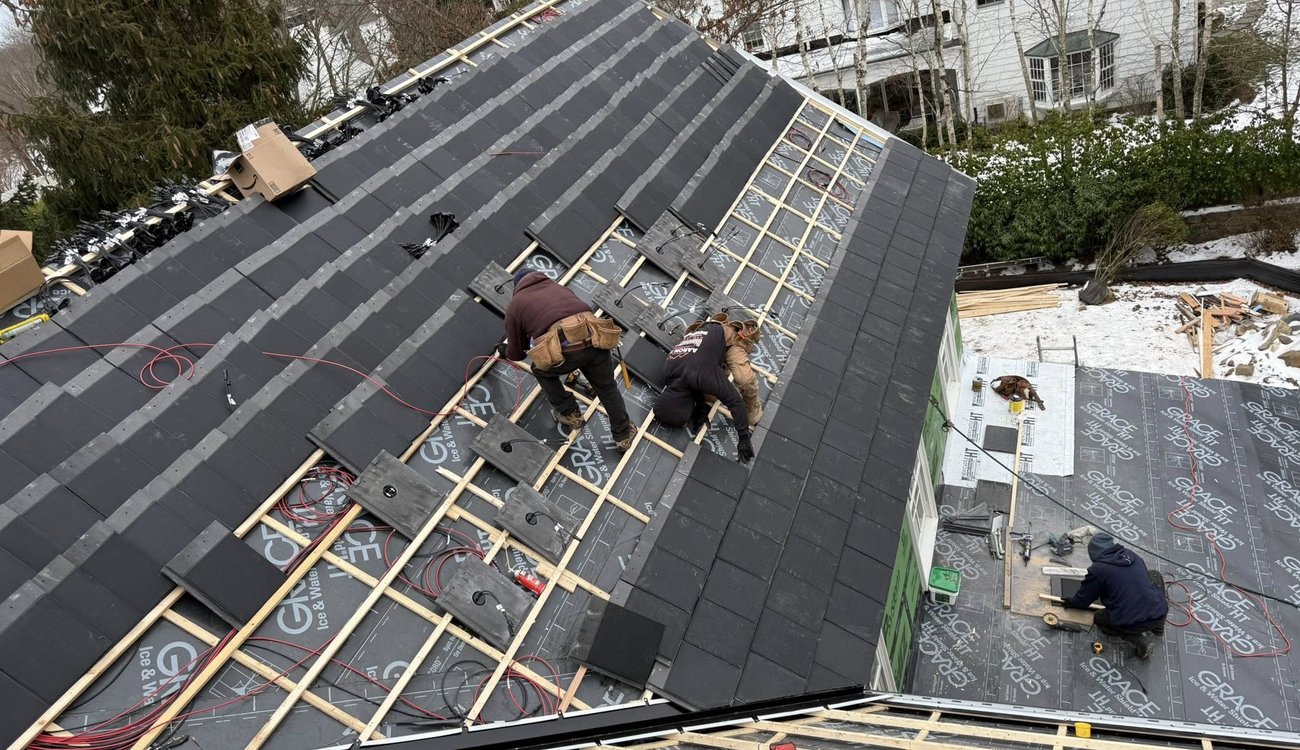
Aaron Roofing Corp provides transparent repair-versus-replacement recommendations based on your roof’s specific condition. We document every finding with photos during our free roof inspection and explain why we recommend the approach we do. Our goal is to help you make the most cost-effective decision for your home. You can learn more about the full replacement process in our roof replacement timeline guide.
What to Expect from a Professional Roof Inspection
After learning how to tell if you need a roof replacement through your own assessment, the next step is a professional inspection. A qualified roofing contractor will perform a much more thorough evaluation than what is possible from the ground. Here is what a professional inspection from Aaron Roofing Corp includes.
Our inspectors climb onto the roof and walk every surface, checking shingle condition up close, testing flashings by hand, examining every penetration point, and evaluating the condition of ridge caps and hip shingles. They inspect the attic from inside, measuring insulation depth, checking for proper ventilation airflow, and looking for hidden moisture damage. They also examine the flashing installation around all critical areas.
After the inspection, you receive a detailed written report with photos documenting every finding. The report includes our professional recommendation on whether you need a full replacement, targeted repairs, or simply continued monitoring. If replacement is recommended, we provide a detailed estimate that breaks down material costs, labor, disposal fees, and any structural repairs needed. This transparent process takes the guesswork out of how to tell if you need a roof replacement and gives you the information you need to make a confident decision.
How Much Does a Roof Replacement Cost in Nassau County
Understanding potential costs helps you plan ahead once you have determined how to tell if you need a roof replacement. In Nassau County, a standard asphalt shingle roof replacement for a typical 1,500 to 2,500 square foot home ranges from $8,000 to $18,000. Architectural shingles run slightly higher at $10,000 to $22,000. Premium options like GAF Camelot or Owens Corning Berkshire can reach $15,000 to $30,000 or more depending on roof complexity.
Once you confirm how to tell if you need a roof replacement, understanding cost factors helps you budget. Several factors influence the final roof replacement cost in Nassau County. Roof size is the primary driver, measured in roofing squares where one square equals 100 square feet. Roof pitch affects labor time and safety requirements. The number of layers to remove impacts disposal costs. Structural repairs to damaged decking or framing add to the total. And your choice of materials, from basic three-tab shingles to designer architectural shingles, creates the widest price range.
Aaron Roofing Corp offers competitive pricing and flexible financing options to make roof replacement accessible for every budget. We also help homeowners navigate insurance claims when storm damage is involved. Visit our step-by-step process page to see exactly how we handle every project from initial consultation through final cleanup.
Frequently Asked Questions
How to tell if you need a roof replacement or just a repair?
If the damage is limited to a small area and your roof is relatively new, a repair is usually sufficient. When damage is widespread, the roof is over 20 years old, or you have multiple concurrent problems like curling shingles combined with water stains, a full replacement is the more cost-effective long-term choice. A professional inspection from Aaron Roofing Corp gives you a clear recommendation based on your specific situation.
How often should I inspect my roof for replacement signs?
Learning how to tell if you need a roof replacement requires regular attention. Inspect your roof from the ground at least twice a year, once in spring and once in fall. Also check after every major storm. Professional inspections are recommended annually for roofs over 15 years old. These regular checks help you catch problems early and give you time to plan financially for a replacement before an emergency occurs.
Can I tell if I need a roof replacement without going on the roof?
If you are asking yourself do I need a new roof, you can identify most warning signs from the ground and from inside your attic. Look for missing or curling shingles from the ground using binoculars. Check your gutters for granule accumulation after rainstorms. Inspect your attic for daylight, water stains, and soft wood. Check your ceilings for water stains. These ground-level and attic observations cover the majority of how to tell if you need a roof replacement.
Does homeowners insurance cover roof replacement?
Understanding how to tell if you need a roof replacement includes knowing your insurance options. Homeowners insurance typically covers roof replacement when the damage is caused by a sudden event like a storm, fallen tree, or fire. It does not cover replacement due to normal wear and aging. Filing a claim requires documentation of the damage and its cause. Aaron Roofing Corp works directly with insurance adjusters to support legitimate claims and ensure you receive fair coverage.
What is the best time of year to replace a roof in Long Island?
Timing matters once you know how to tell if you need a roof replacement. Late spring through early fall is the ideal window for roof replacement in Long Island. Temperatures between 45 and 85 degrees Fahrenheit allow shingle adhesive strips to seal properly. However, experienced contractors like Aaron Roofing Corp can install roofs year-round using cold-weather application techniques when emergency situations require it.
How long does a roof replacement take once I decide to move forward?
After figuring out how to tell if you need a roof replacement, the timeline moves quickly. Most residential roof replacements in Nassau County take 1 to 3 days depending on roof size, complexity, and weather conditions. Larger homes or roofs requiring structural repairs may take 4 to 5 days. Aaron Roofing Corp provides a specific timeline during the estimate process so you can plan accordingly. Learn more in our detailed roof replacement timeline guide.
Conclusion
Knowing how to tell if you need a roof replacement is one of the most valuable skills a homeowner can develop, helping you understand when to replace roof before problems escalate. By watching for the 7 warning signs covered in this guide, you can catch problems early, avoid emergency situations, and plan your replacement on your own timeline and budget. Regular self-inspections from the ground and inside your attic give you the information you need to make smart decisions about your home’s most important protective system.
Remember that how to tell if you need a roof replacement does not have to be a guessing game. Curling shingles, granule loss, daylight in your attic, sagging areas, water stains, advanced age, and rising energy bills are all clear signals that your roof is reaching the end of its useful life. When you notice two or more of these signs, it is time to call a professional for a thorough evaluation.